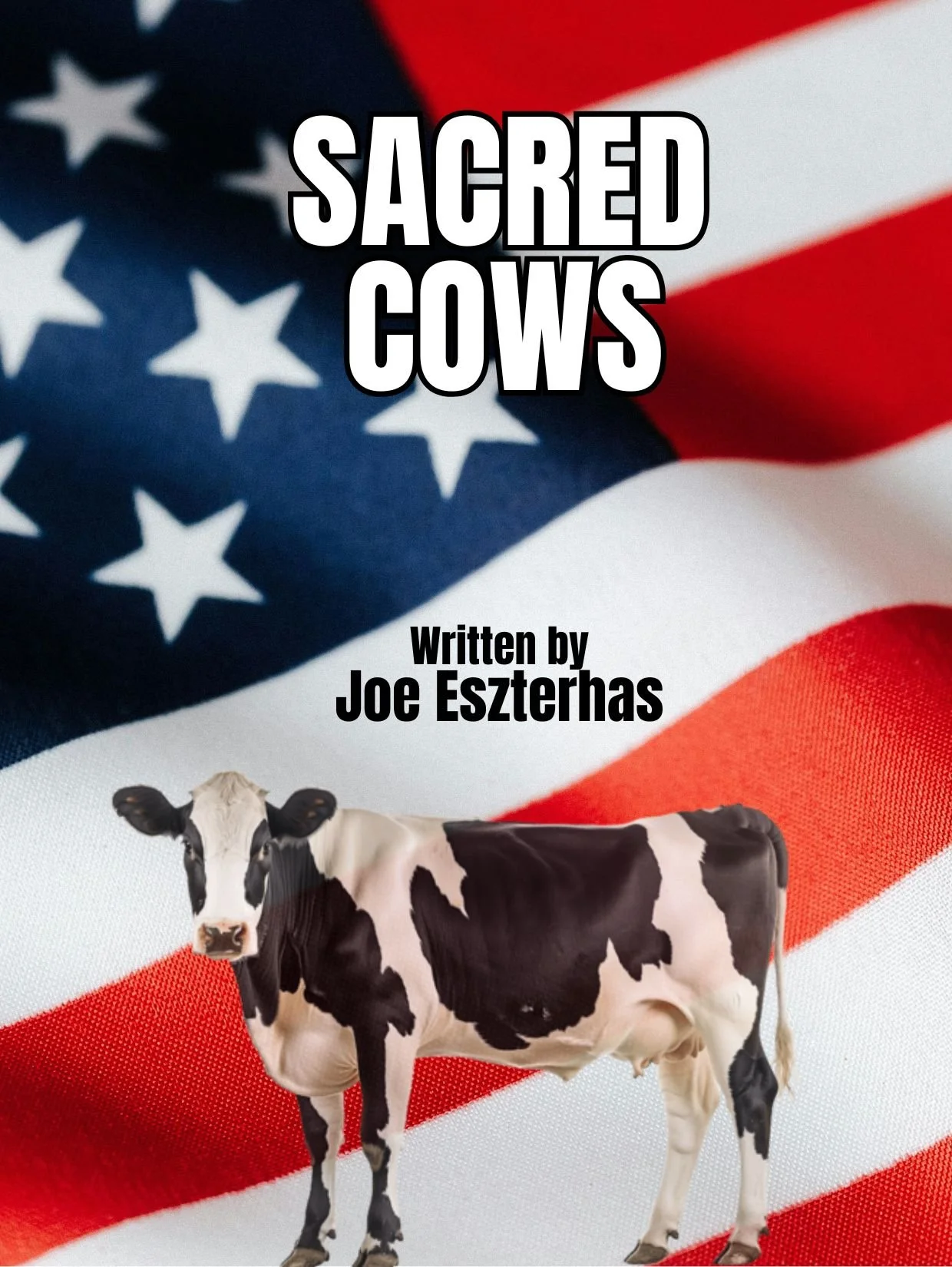
IS HOLLYWOOD FINALLY READY TO MAKE JOE ESZTERHAS’ SACRED COWS?
And what is the connection to Steven Spielberg, Stanley Kubrick, and Michael Ovitz?
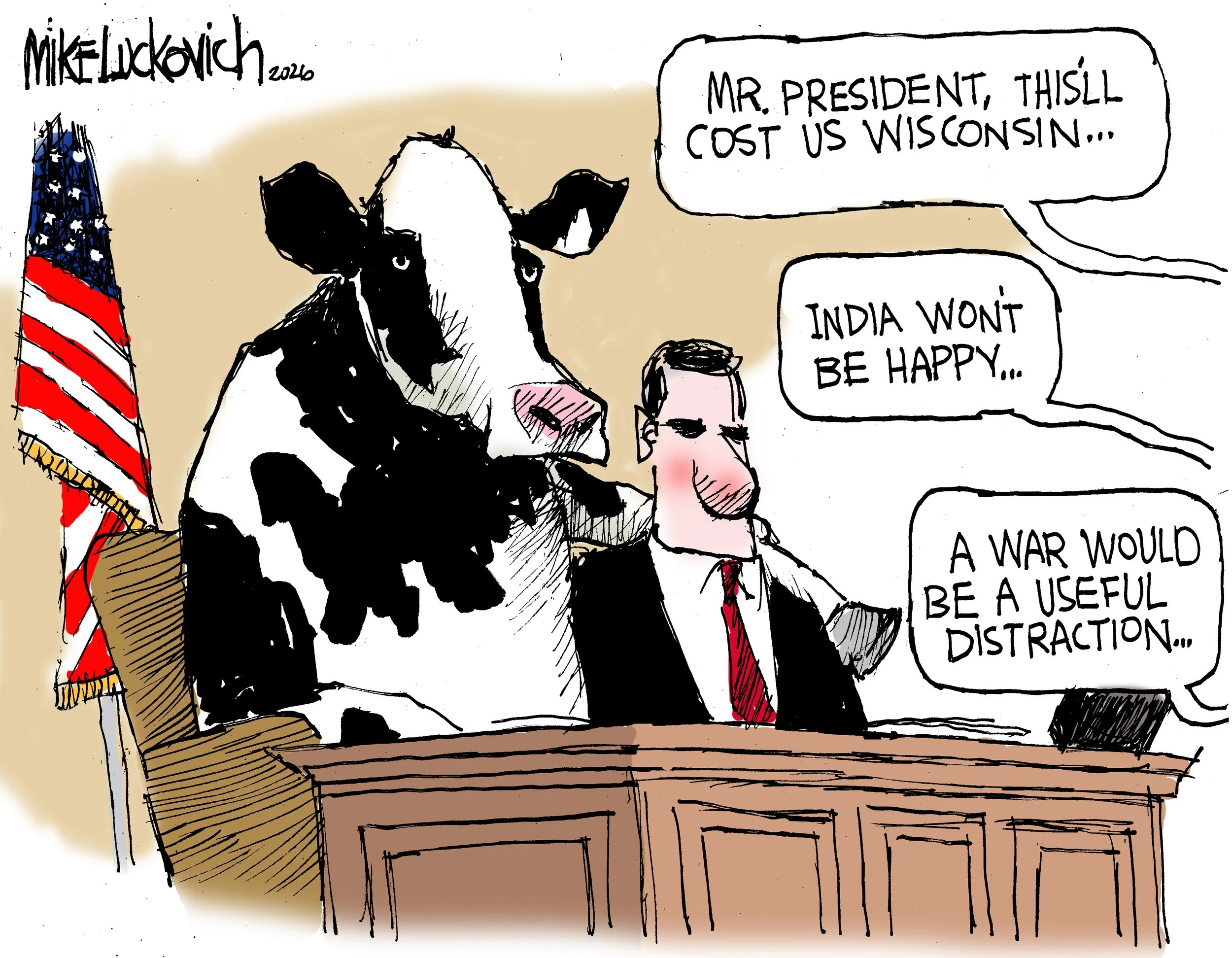
Sacred Cows Cartoon by 2x Pullitzer Prize winner Mike Luckovich | Political Cartoonist for the Atlanta Journal-Constitution
Follow Mike: Facebook | Twitter(X)
The full in-depth article is below. Keep reading til the end for some exclusive tidbits on the new Basic Instinct, Flashdance 2, and screenwriting advice from the legend himself.
You can also check out Joe Eszterhas’ page on The Stunt List HERE. And reach out for a general inquiry HERE.
Download the full article as a PDF.
SPOILER ALERT: The plot for Sacred Cows is discussed in detail, including the ending.
If you would like to read the full script, it is available HERE. There will also be short excerpts available to download throughout the article.
JOE ESZTERHAS | Feature Editorial
Written by Eric Moyer
The year is 1989. George H.W. Bush is president. Screenwriter Joe Eszterhas is nearing the end of a three picture deal with MGM/UA that included the films Betrayed and Music Box. His producer, Irwin Winkler, asked for the third script to be about Rupert Murdoch, and for it to be titled Media Mogul.
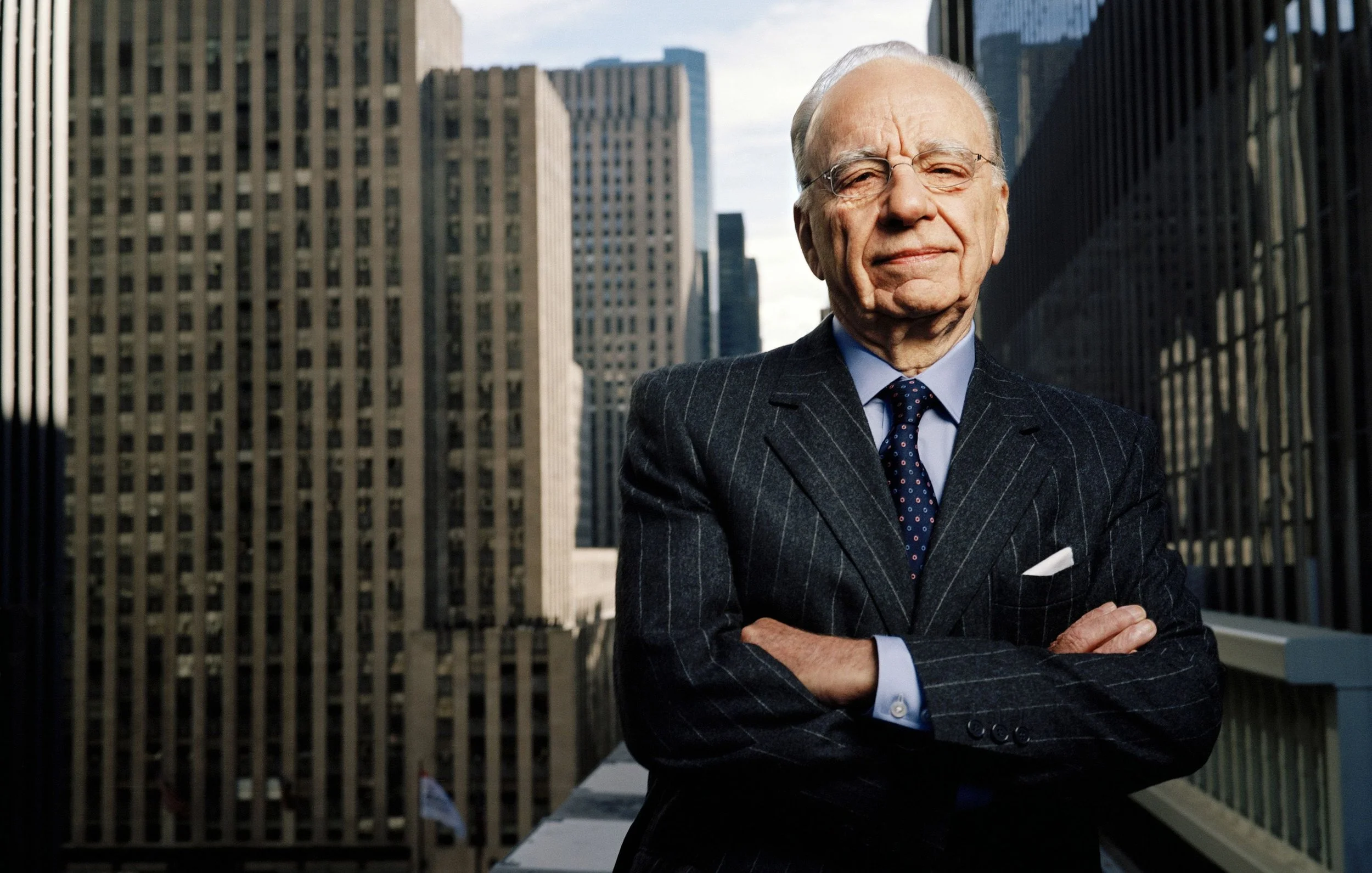
(Rupert Murdoch)
But the script he wrote and turned in was called Sacred Cows and is now often regarded as one of the best unproduced screenplays in Hollywood.
So what’s it about?
An incumbent president’s re-election campaign is derailed when his political opponents release a scandalous photo to the tabloids.
JOE ESZTERHAS: They wanted a piece about Rupert Murdoch, but once I started reading about him, I wasn’t interested. So I just sat down and wrote Sacred Cows as a spec and surprise, and said, “Okay guys, here’s your third script,” which caused a major uproar. The flip side was that Irwin thought it was one of the funniest scripts he ever read.
Through a representative, Irwin Winkler said that, “As part of the three picture deal, he was to approve a story concept before Joe went to script. Unfortunately, Joe turned in Sacred Cows without the aforementioned concept approval. Irwin took one read of the script and immediately washed his hands clean of it.”
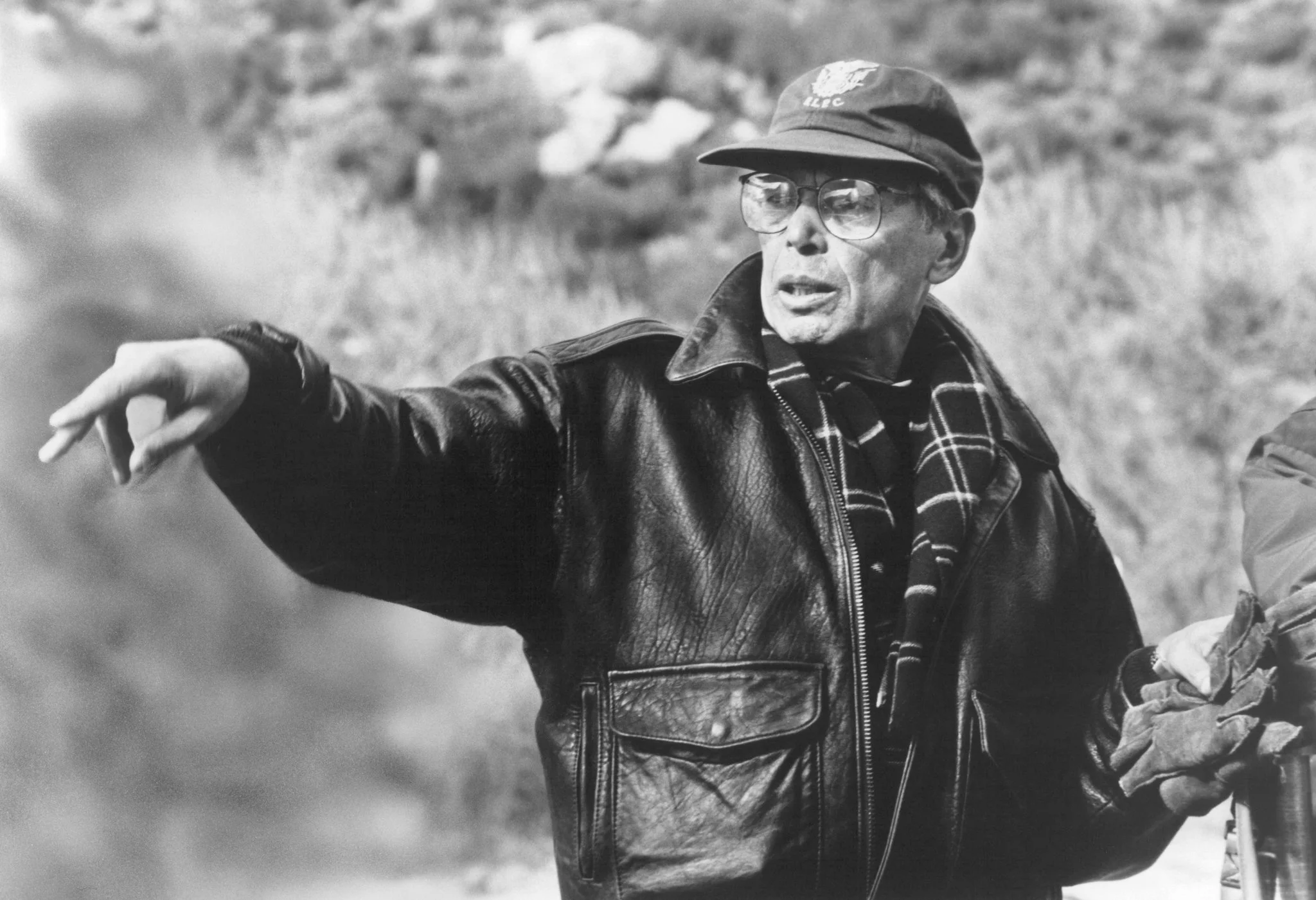
(Irwin Winkler)
JOE ESZTERHAS: The flip side was that Irwin thought it was one of the funniest scripts he ever read, but said, “I don’t think anyone’s going to make this.”
Joe has previously quoted Irwin as saying, “Mark my words. A lot of people will read it. A lot of people will love it. A lot of people will say they want to make it. But no one will make it.”
At the time, Irwin was right. Lots of A-list directors loved it and wanted to make it, and we’ll get to that, but first…
WHO IS JOE ESZTERHAS?
Pronounced ESS-ter-hahs, not ESS-ter-house
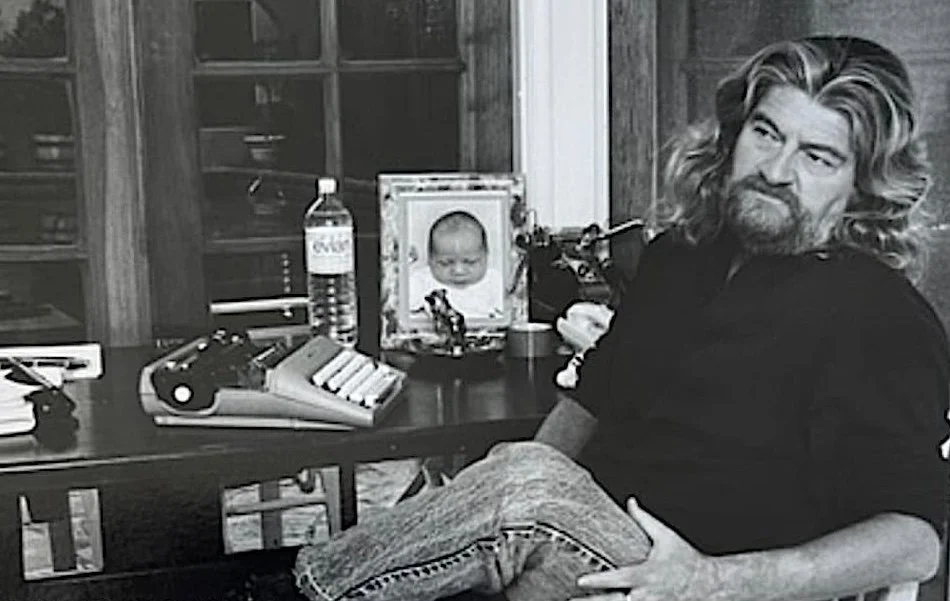
(Joe Eszterhas with one of his Olivetti typewriters in 1994)
In thirty-five years of screenwriting, Joe Eszterhas has written Basic Instinct, Jagged Edge, Flashdance, Betrayed, Music Box, F.I.S.T., Sliver, Jade, Telling Lies in America, Checking Out, Hearts of Fire, Nowhere to Run, An Alan Smithee Film, Big Shots, One Night Stand, Children of Glory, and Showgirls.
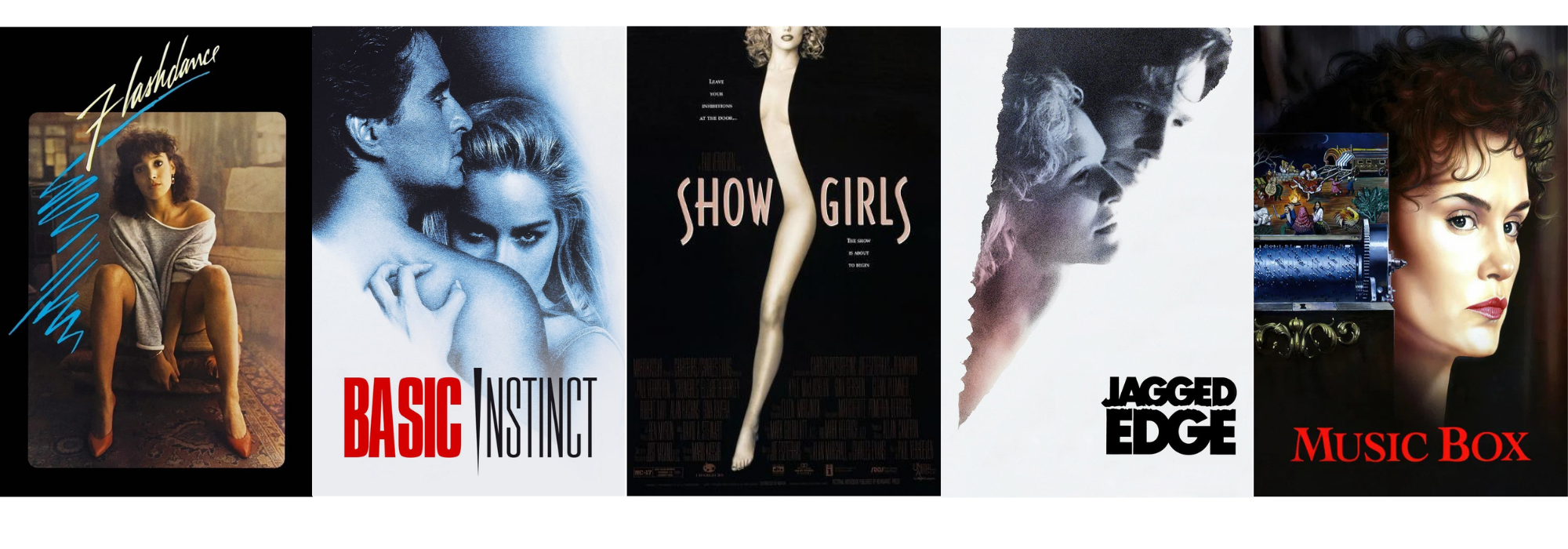
After writing it in thirteen days, his script for Basic Instinct sold for $3 million, a Hollywood record, and it became the biggest-grossing film of 1992 worldwide. He broke his own script-sale record with Showgirls ($3.7 million) and One Night Stand ($4 million).
Considered the most successful screenwriter in Hollywood history, Joe Eszterhas has sold nearly 30 screenplays and his collection of movies have grossed more than $2 billion at the box office.
JOHN BARKER: Eszterhas is the man who made the erotic thriller mainstream. In a decade where studio screenwriters were largely unknown, he became one of the most famous, highest-paid and most controversial in Hollywood. Sexy thrillers that were enormous commercial hits, and somehow he seemed to be at the center of all of them. (John Barker is a film critic and podcaster at www.alltherightmovies.com)
KRISTEN LOPEZ: I think Joe Eszterhas represents everything that once made Hollywood wonderful and fun and chaotic and overindulgent. I don’t think we have anyone really that compares that isn’t already established. He’s an impresario, someone that’s actually shaping things, something we don’t get enough of in Hollywood. Not to say Ryan Coogler and Greta Gerwig are not shaping Hollywood, but it was very different when Hollywood felt smaller and more contained and you could have these big personalities. I don’t think anybody really compares that is not already highly established. He’s a personality. I don’t know anyone that can write like him. (Kristen Lopez is the Editor-in-Chief for www.thefilmmaven.com and can also be found at www.kristenklopez.com)
JOSH MILLER: It is incredibly rare in this industry for a screenwriter to become the selling point for a film, but it happens. Even rarer though, is for a screenwriter to reach the kind of rockstar status that causes studios to lose their goddamn minds trying to work with them. Studios have always gotten into bidding wars over specific scripts, but Eszterhas was often just selling the idea of another Eszterhas movie, and selling it for record-shattering amounts of money. (Josh Miller co-wrote Violent Night and Sonic the Hedgehog and is the co-host of the podcast Best Movies Never Made which you can listen to on Apple Podcasts and Spotify.
In a 1993 article in The New York Times, Maureen Dowd wrote, “He has almost single-handedly changed the image of a screenwriter from martyr to macho, banishing old images of Dorothy Parker in Hollywood moaning into her martini, ‘I used to be a poet’.”
MICHAEL LEHMANN: I always thought that Joe was a really good screenwriter. I’d read a few of his scripts over the years and he knew how to write hardcore mainstream Hollywood films. They all read so well. When I was just out of film school, I was a script reader for a producer and I read a couple of Joe’s scripts. I always said they were the best scripts even though they may not have been movies I was interested in. They were incredibly well-written and he always had a strong sense of who his characters were. That’s what good actors are always looking for. (Michael Lehmann directed the films Heathers, Airheads, and Because I Said So. He was also one of the directors considered for Sacred Cows. He can be found at www.x.com/docstrangelove)
LUKE BARNETT: He’s one of the purest examples of a writer whose voice overpowered the system around him. You can feel him in every page. Whether the movie works or not, you know exactly who wrote it within ten minutes. So many screenwriters are sterile and cautious now, writing what they think has the best chance of selling or appealing to a wide audience. Eszterhas writes what he wants. Sometimes it works, sometimes it doesn’t, but you can’t say he doesn’t take big swings. (Luke Barnett is the actor/filmmaker behind the viral shorts, The Crossing Over Express and Ovation. He can be found at www.x.com/LukeBarnett.)
KRISTEN LOPEZ: If you didn’t live through the 80’s and 90’s as a movie person, you don’t understand because so much of filmmaking was based on excess and big ideas. Eszterhas, Adrian Lyne, Don Simpson, Jerry Bruckheimer. These are titans. These were people that just were making movies for the coolness and the love of it and the grandiosity and the salaciousness. Those are all things that we just don’t make anymore.
In a 2015 post from his Go Into the Story blog, screenwriter Scott Myers wrote, “There was a point where Eszterhas was literally making multimillion dollar deals based on story ideas he had scratched onto a napkin over a lunch meeting. He was that hot.”
LUKE BARNETT: I worked in bars for twelve years and Joe Eszterhas’ scripts always felt like they were written on a cocktail napkin at 2am. I mean that as a total compliment.
SIMON BREW: Undoubtedly, and irrefutably, one of the highest profile screenwriters of his era, and a man capable of not just getting scripts sold, but also getting his films made. Contentious, controversial, and pretty much any other adjective you want to throw at him, with a deeper body of work than he was often given credit for. (Simon Brew is a UK film critic and podcaster at www.filmstories.co.uk)
MICHAEL LEHMANN: Joe Eszterhas has had such an interesting career as both a reporter and screenwriter, a big deal in the movie business. I still hold him up as the highest example of real Hollywood screenwriting. He just knew how to do it so well and this is the reason why he was so successful. I’m a big fan.
JAMIE NASH: Joe Eszterhas was the first screenwriter a lot of us knew by name. He made screenwriters feel like rockstars and proved that an original spec script with a huge voice could shake Hollywood. Joe didn’t just write movies, he wrote “Joe Eszterhas movies,” and for a generation of writers coming up during the spec boom, that became the dream. (Jamie Nash is a screenwriter and author of Save the Cat! Writes TV and host of the Writers/Blockbusters podcast. He can be found at www.jamienash.net.)
JOSH MILLER: All these decades later, individual screenplays continue to generate high-spending bidding wars, but we may never again see a screenwriter who arouses such a prolonged and hysterical frenzy for their work.
Joe is also the author of seven books, two of which, American Rhapsody and Hollywood Animal, were New York Times bestsellers. A third, Charlie Simpson’s Apocalypse, was a finalist for the National Book Award. As a college Senior at Ohio University, he was selected by the William Randolph Hearst Foundation as “The Outstanding College Journalist In America,” and went to the White House to receive a medal from Vice President Hubert H. Humphrey.
A DARK REFLECTION
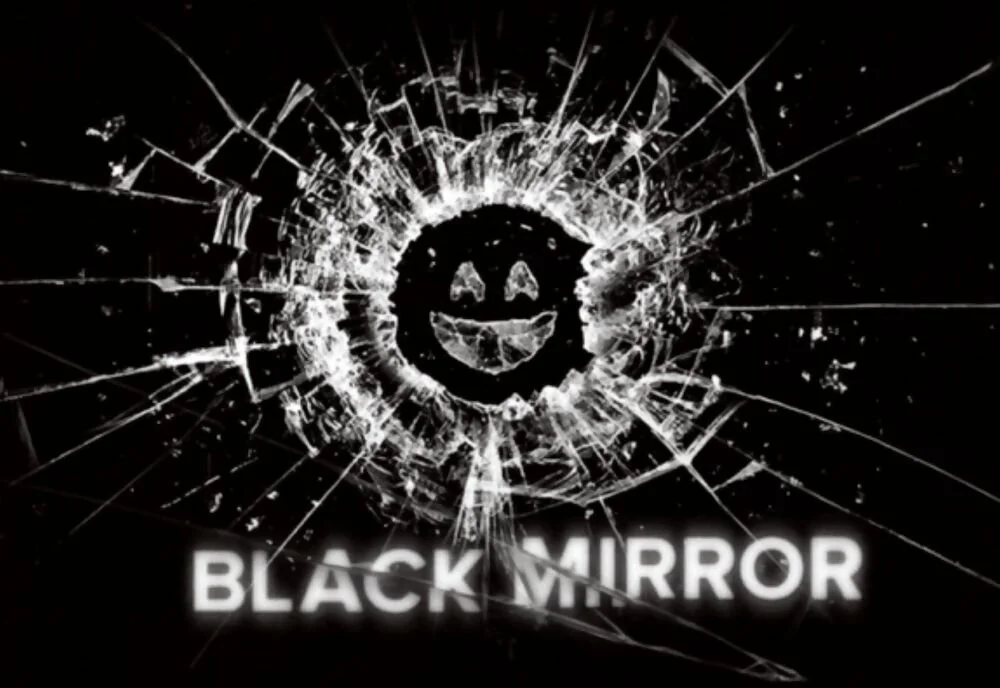
Let’s take another look at the plot for Sacred Cows, and add an important detail to the end:
An incumbent president’s re-election campaign is derailed when his political opponents release a scandalous photo to the tabloids, showing him in a compromising position with a cow.
Yes, you read that right. Not a mistress. A cow.
Read the “blackmail” scene HERE.
Does all of this sound familiar?
Maybe that’s because you’ve seen the first episode of the show Black Mirror called The National Anthem (2011), released more than THIRTY YEARS after Joe wrote the script for Sacred Cows.
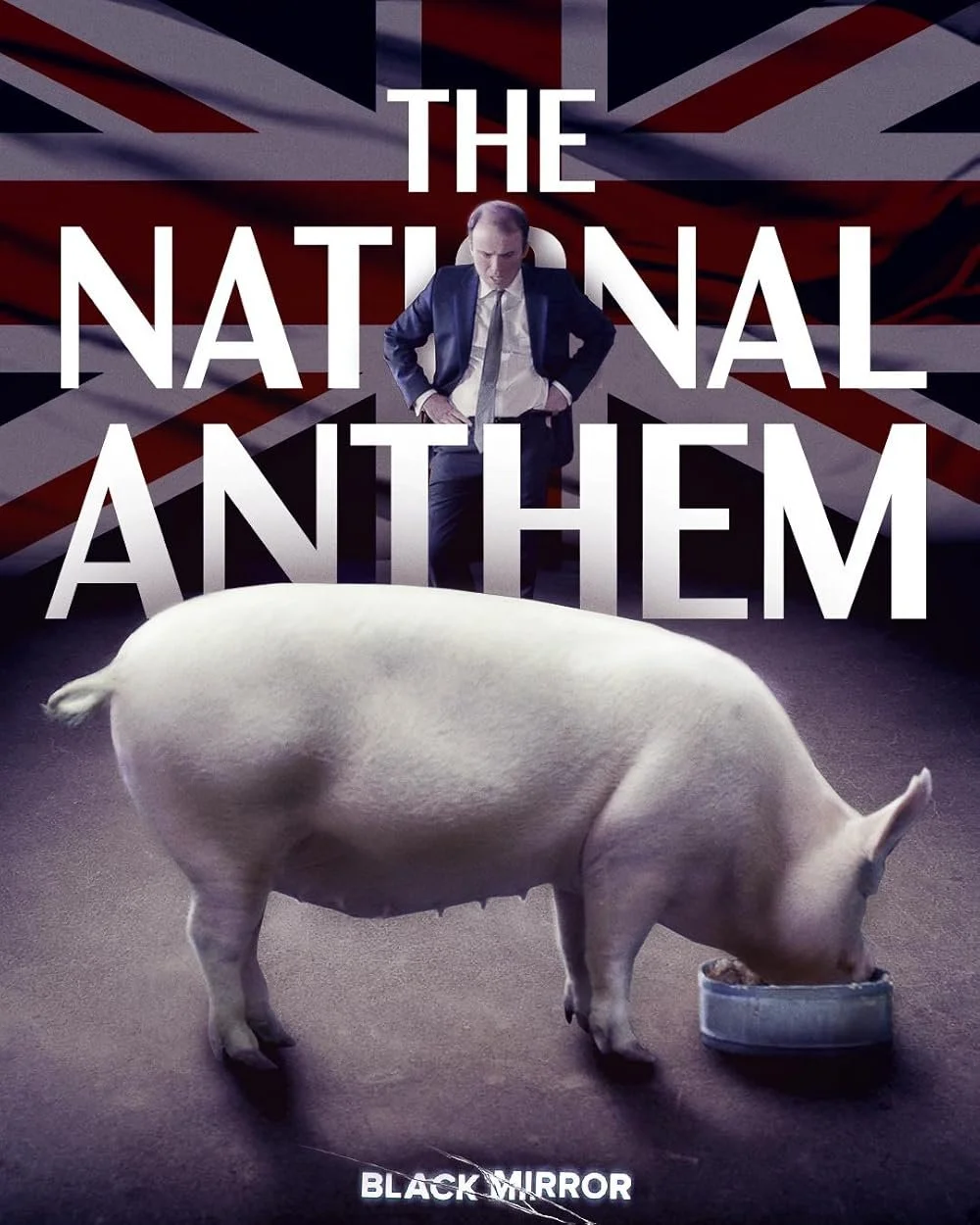
For fun, let’s take a look at Netflix’s plot description for that episode:
Prime Minister Michael Callow faces a shocking dilemma when Princess Susannah, a much-loved member of the Royal family, is kidnapped.
Many could consider Netflix’s logline to be misleading. They left A LOT out. Specifically, an act involving the Prime Minister and a pig, especially since they literally SHOW IT!
But there’s a HUGE difference between the Black Mirror episode and Sacred Cows.
Black Mirror crossed a line and didn’t leave anything to the imagination. In Sacred Cows, nothing is shown, and when a picture of the act is described, it is always “blurry.” In fact, one could argue that Black Mirror makes Sacred Cows look rated PG in comparison.
KRISTEN LOPEZ: I think that it’s the horror adage. The best thing to do is not show the monster and let the person’s mind fill in the blanks.
And that’s exactly what Joe’s script for Sacred Cows does.
JOHN BARKER: Reading the Sacred Cows script, Black Mirror was the first thing I thought of, so the similarities are clear. Head of state, degrading act involving livestock, hostile actor pulling the strings, the public's appetite mediated through television. It's all there. If Charlie Brooker wasn't influenced by Sacred Cows, it's one heck of a coincidence.
MICHAEL LEHMANN: I actually thought of the Sacred Cows script when I saw that episode. It’s fantastic political satire and is a more contemporary approach to the idea. Black Mirror deals with how we communicate in the modern world and is extremely clever in that regard. It does not hold back and has a great sense of humor.
JOHN BARKER: There was a big story in the UK at the time of Black Mirror's launch about a major politician being rumored to have done something similar at a university, and I'd always assumed that was Brooker's inspiration. But reading into it, The National Anthem was written before that story surfaced, so it's entirely possible Sacred Cows was the spark.
KRISTEN LOPEZ: Certainly critics would do the comparison, but I don’t necessarily think the average viewer would know that there was any other inspiration.
If Netflix can release that first episode of Black Mirror, maybe it’s time for Hollywood to finally make Joe Eszterhas’ Sacred Cows.
Again, Joe wrote Sacred Cows in 1989, when Black Mirror creator Charlie Brooker was still a teenager.
THE OVAL BOX OFFICE
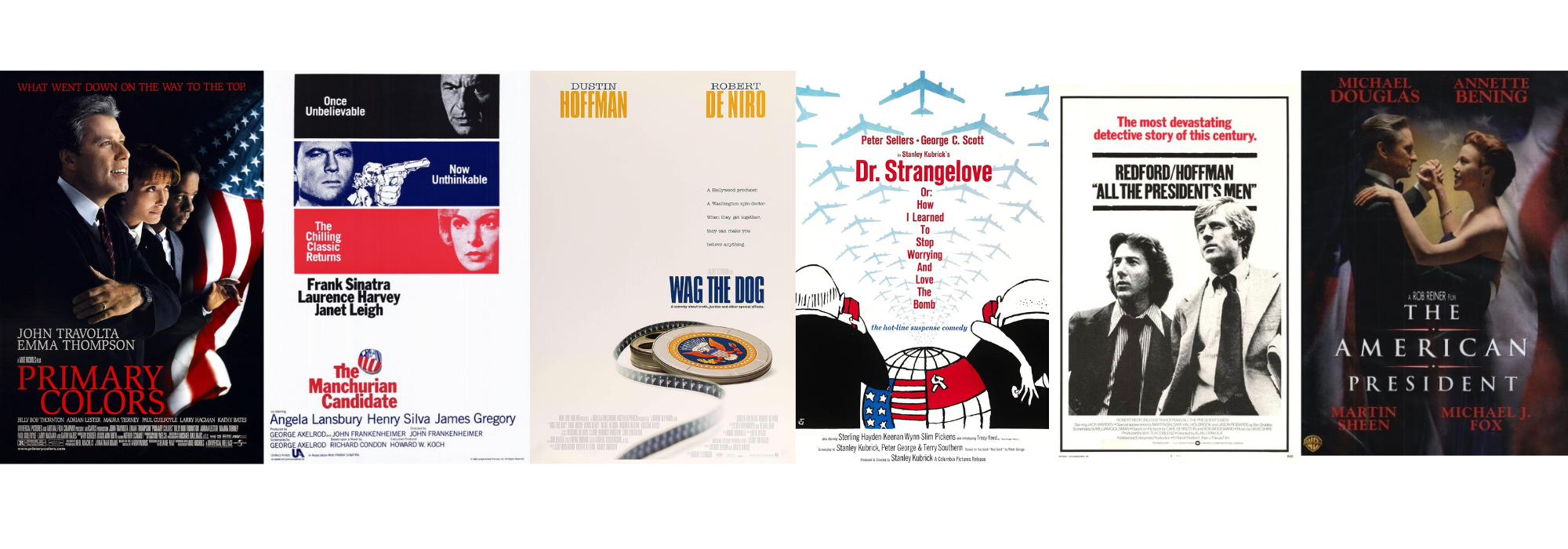
Hollywood is no stranger to political movies. Dr. Strangelove, All the President’s Men, The Manchurian Candidate, JFK, Vice, Dave, Wag the Dog, Primary Colors and so many more.
In a 1998 article in Time Magazine, Richard Lacayo wrote, “By the time the Clintons came to Washington, the stage was set for movies that treat the president as one more plaster saint. Blackmailing an opponent, the step that Henry Fonda rejects in The Best Man, doesn’t bother Jack Stanton in Primary Colors.”
Lacayo continues, “Clinton will be remembered as the man who was in the White House when Hollywood decided to release one film after another that makes the place a cross between the Playboy mansion and Dracula’s castle. It’s nothing new for movies to expose corruption in American politics.”
JOE ESZTERHAS: Mark Twain had a great thing about politicians and I’ve often thought about Twain as one of my literary heroes. He said, “Politicians are like diapers. They should be changed often and for the same reason.”
Back in 1971, Joe was a reporter for Rolling Stone magazine and worked with Hunter S. Thompson.
JOE ESZTERHAS: I covered a lot of politics when I was at Rolling Stone. I was always a political junkie. I covered three of the urban uprisings around the country in the late 60’s. I covered the civil rights movement. I covered Nixon’s inauguration. I had a long lunch with the Reverend King.
Joe also published a book about politics called American Rhapsody, described as taking us through the events that threatened to topple a president and left most of the nation's citizens with, at the very least, a bad taste in their mouths.
KRISTEN LOPEZ: As the 90’s went on, political films started to really see an uptick. Politics has always been something that is very evergreen in Hollywood, at least at that time.
In a 2016 article on Hollywood in Toto, writer Zachary Leeman used the headline, “You Have to Read Sacred Cows Before You Vote.” Leeman went on to say, “It’s frightening to read Eszterhas’ take on politics because it so closely resembles the scandal-ridden graveyard of modern presidential politics. Through an extreme act, Eszterhas examines the inhumanity of politics and the constant law-breaking and backstabbing. Sacred Cows could have been written today as a statement on our current political system. In short, Sacred Cows is more relevant than ever.”
Leeman later adds, “It’s also damn funny. The breezy read shocks and surprises, representing Eszterhas’ best work. As someone who has professionally and personally read many scripts, Sacred Cows was the most memorable, most enjoyable and probably the best I’ve read.”
SIMON BREW: Sacred Cows strikes me as a cocktail of the aforementioned Black Mirror episode, Bobcat Goldthwait, Wag the Dog and a teeny bit of Primary Colors. American politics stories I guess are a bit like baseball movies - they only tend to play in America, unless they're The West Wing.
KRISTEN LOPEZ: Sacred Cows is a very different script for Eszterhas. I got a lot of Dr. Strangelove vibes. I think that the sequence where they’re all talking about starting a small war to distract really punched me in the face, metaphorically speaking, because I don’t think anybody could have predicted where we would go politically. While reading this, I’m like, “Oh no, this has actually aged shockingly well,” and it’s very upsetting. What’s also different is how it reads compared to the political elements of the time. The Clinton era of politics on screen at least was very positive. Something like The American President is very elegant. Dave has this element of authenticity and finding some sort of relatability with politicians. I do think there’s little bits of that that shine in Sacred Cows in the sense that people just want politicians to tell the truth.
Read the “war distraction” scene HERE.
In an interesting side note, Joe previously recounted a story about Bill Clinton himself getting his hands on a copy of the Sacred Cows script. That’s how much it circulated, not just in Hollywood, but Washington D.C.
MICHAEL LEHMANN: In the 90’s, we had a much different sense of possibility, a different sense of being inspired by leadership and also a different sense of the contrast between more traditional liberalism and conservative politics. One of the things that’s so interesting in reading the script now is that a lot of the social issues that politicians deal with were exactly the same in the script as they are today.
KRISTEN LOPEZ: There’s an emphasis on how politicians create all this hype and Barry Levinson would end up doing that with Wag the Dog. We get this whole era of post-2000’s poking fun of political buffoonery. I think Eszterhas is really kind of predicting all of that. He’s also predicting where we are right now, which is the emphasis on people who are not good at their jobs, especially with the team around the president. He’s incredibly prophetic. Had this been made, people would have really started comparing it to Kubrick. Dr. Strangelove is a very blunt, in your face exploration of political buffoonery and how It’s going to kill us all. In this script, he’s not saying there are huge consequences. There’s not an asteroid coming to kill us. There’s no nuclear weaponry. It’s just that the office is now forever besmirched and things are just a little bit dumber in the end. If it was made now, I think people would be far more receptive to it than if it was made in the 80’s during Bush’s tenure.
MICHAEL SMERCONISH: In today’s world, nothing is too fantastical. I mean, our president survived four indictments. Nothing is any longer an automatic disqualifier. (Michael Smerconish is a Sirius XM and CNN host. He can be found at (www.smerconish.com)
MICHAEL LEHMANN: It was really interesting to re-read Sacred Cows in light of what’s happened with presidents and politics in the intervening years. We have a president who’s pretty much right up front about the ways in which he breaks most conventions of what we consider to be good behavior. In fact, his bad behavior is quite often celebrated. Obviously, nobody cares. He’s been elected twice. (If the plot of Sacred Cows happened now), people might laugh about it, but they certainly wouldn’t impeach him. If that had come out between terms, they might have voted for him anyway. That’s what’s so frightening about today’s politics and how it’s pre-shadowed or played out in the script, and in that sense, the script was way ahead of its time. It’s funny that this outrageous premise feels almost mild and cute compared to what happens now.
KRISTEN LOPEZ: Honestly, I think this would be a blip on the news cycle if this was something that really happened and people would be like, “Oh, okay, well, add that to the list of things we’re dealing with this week.”
MICHAEL LEHMANN: The great thing about reading the script now is that it all feels of another era because everybody treats each other so well. Aside from Sam Parr’s political opponent releasing the picture, there’s not the same level of nasty dishonesty that we now see in politics where misinformation and disinformation is just the nature of the game.
“THE FUNNIEST SCRIPT I EVER READ.”
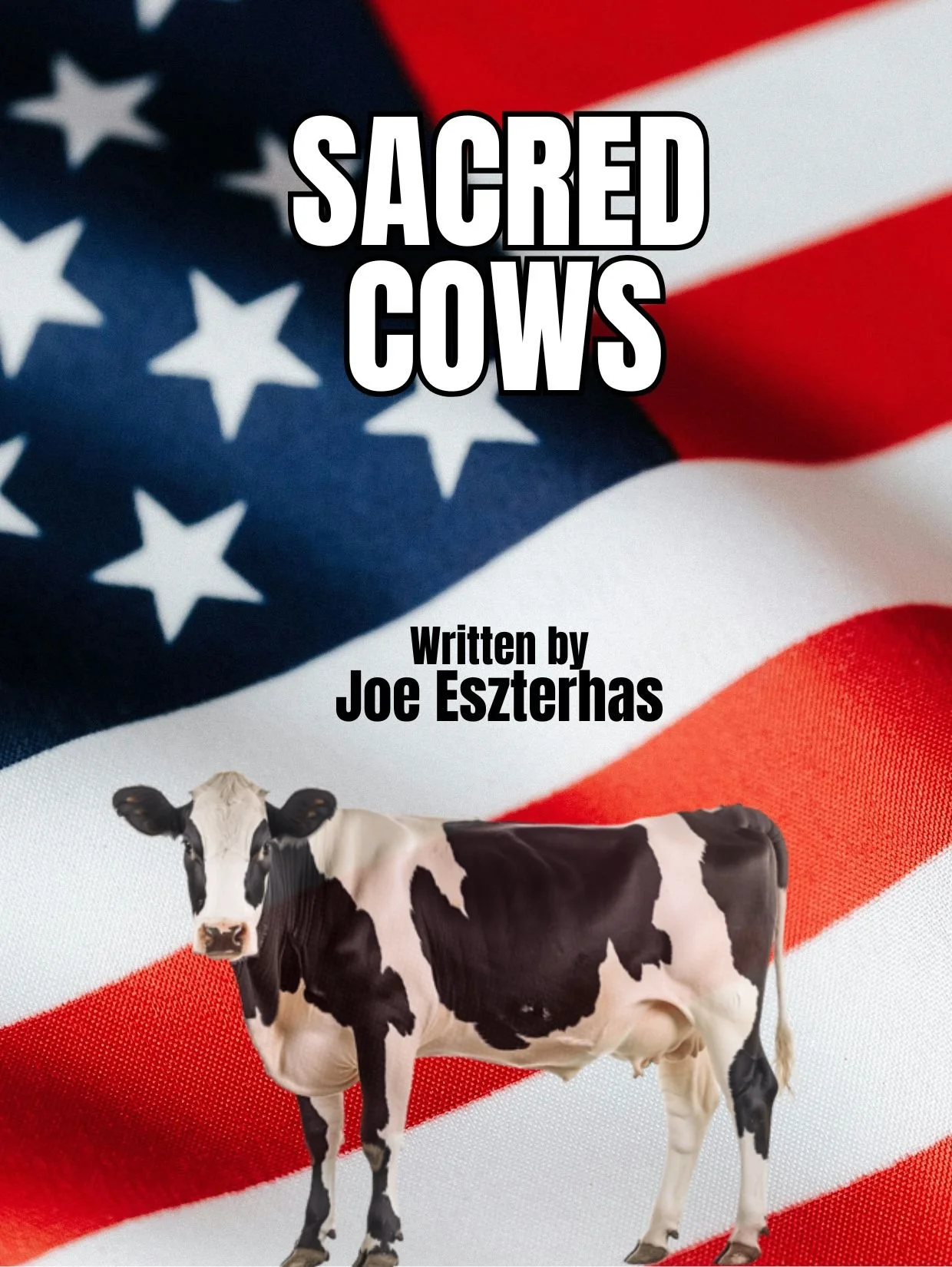
In the 1990’s, there was an impressive list of A-list directors considered for Sacred Cows. There was almost always a common thread, that Sacred Cows was one of the funniest scripts they ever read.
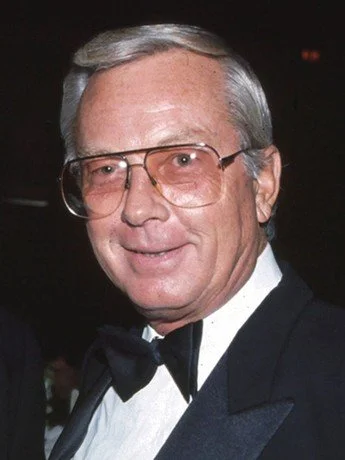
(Joe’s longtime friend and agent at ICM, Guy McElwaine)
JOE ESZTERHAS: My agent Guy McElwaine was an old friend of Steven Spielberg’s from way back and I already knew him because we almost collaborated on a project called A Guy Named Joe and we got to be friends. Steven said Sacred Cows was the funniest script he ever read. He said he definitely wanted to direct Sacred Cows. His first creative thought was to have the Marine Corp. Band do the music. He was absolutely attached to it. We were in complete shock because of how controversial it was going to be. Guy always thought I wrote provocative things and he also said it was one of the funniest things he ever read.
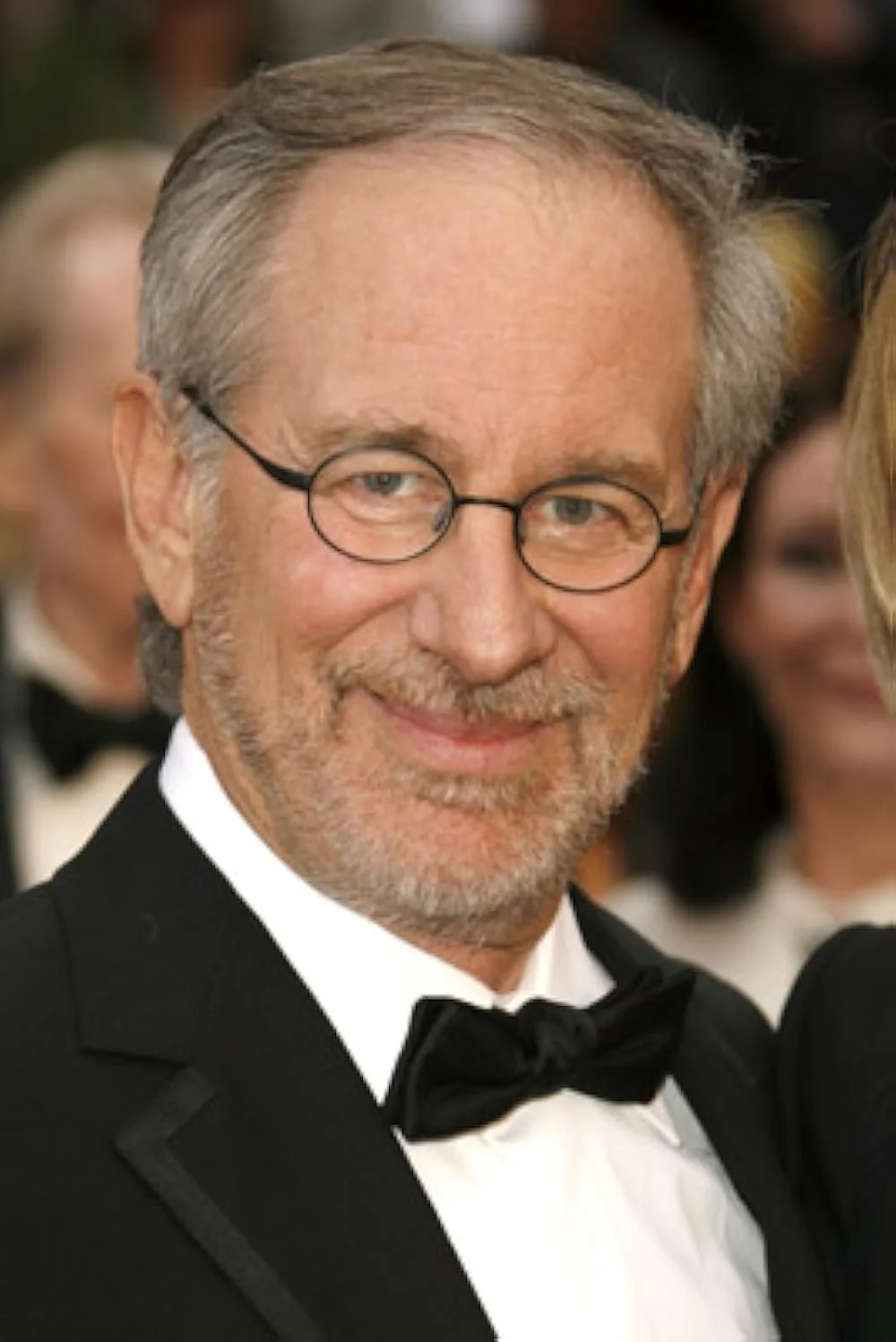
(Steven Spielberg)
KRISTEN LOPEZ: I don’t necessarily know if this would have been a good fit for Spielberg at the time. With political satire and looking at his career in the 80’s, 90’s, and even now, there’s a lot of people who have talked about Spielberg being an apolitical director.
JOE ESZTERHAS: Steven said he was going to send the script to Stanley Kubrick, a friend of his, because he felt he was going to need some protection on it. He wanted Kubrick to produce it. Kubrick read it and also said it was the funniest script he ever read, but did not want to get within a thousand miles of it.
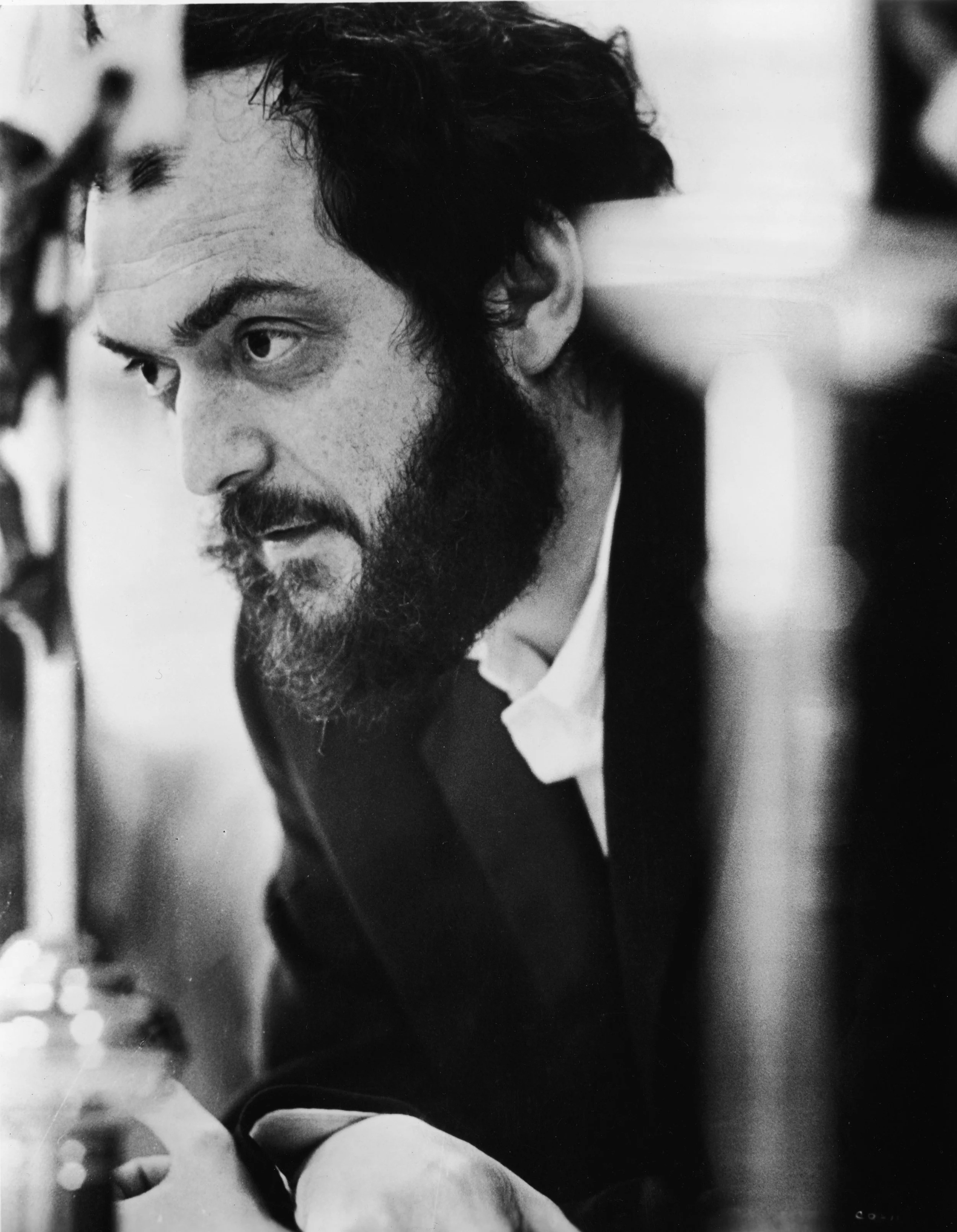
(Stanley Kubrick)
JOE ESZTERHAS: I gather people around Steven were saying the same thing, that this was way out there and was going to be hugely controversial, and then Steven said he was sorry and wasn’t going to do it. The script was then sent to a whole bunch of different directors, who all wanted to do it.
In addition to Spielberg and Kubrick, the additional director names included: Milos Forman (One Flew Over the Cuckoo’s Nest), Blake Edwards (The Pink Panther), Robert Zemeckis (Back to the Future), Tony Bill (My Bodyguard), Michael Lehmann (Heathers), Jim Abrahams (Airplane), Robert Mulligan (To Kill a Mockingbird), Betty Thomas (Private Parts), David Anspaugh (Hoosiers), Edward James Olmos (American Me), and Paul Michael Glaser (The Running Man). In each case, either the director or studio got cold feet due to the subject matter.
One of the directors mentioned above, Michael Lehmann, privately met with Eszterhas in the early 90’s. He recently re-read the Sacred Cows script.
MICHAEL LEHMANN: The script was pretty well known, kind of infamous. You can tell by that list of directors that a lot of people knew about it and a lot of people were interested in it. The characters are nicely fleshed out and it’s everything you’d want from a script. I don’t remember going through agents or having a producer involved. I remember dealing directly with Joe. I thought it was a great idea and there was no question about that and I wasn’t afraid to make a movie like that at all. The script was fun to re-read. Brought back a lot of memories.
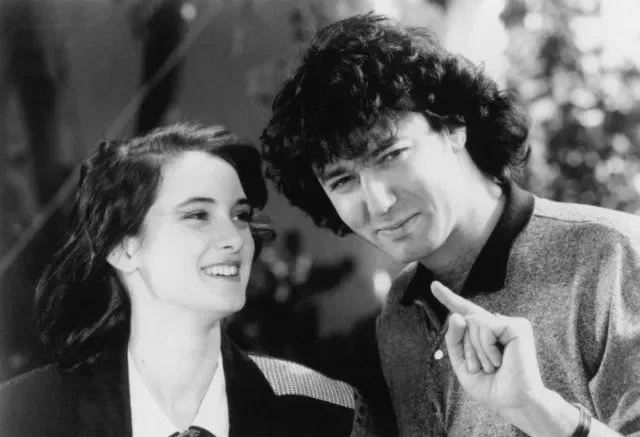
(Director Michael Lehmann and Winona Ryder on the set of Heathers)
By all accounts, Joe and Michael had a very nice meeting in Marin County. Joe even gave him a moo-box toy (pictured below), that he signed to him, which Michael still has to this day.

MICHAEL LEHMANN: The biggest and best thing about it was the strength of the idea, but that was also the one thing that it couldn’t quite overcome because it was such a difficult concept to pull off. I thought it didn’t go far enough in a way. I would have wanted to take it in a much darker direction, probably more in the direction in what you see in that first episode of Black Mirror.
Lehmann wasn’t the only one who wanted to take the film in a slightly different direction.
JOE ESZTERHAS: Director Blake Edwards wanted to make the cow a dream that never happened. I resisted that for some time. Blake said, “Please trust me. I’ve done a lot of this. It’ll have the same impact.” He was truly a great comedic director in my mind. And then I agreed to try it, but producer Alan Ladd, who was the head of MGM/UA, and an old friend of Guy’s and a friend of mine as well, said, “I don’t have to tell you how good this is, but I just can’t do this.”
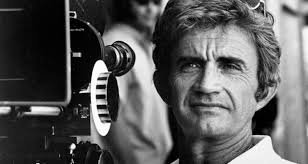
(Blake Edwards)
JOE ESZTERHAS: Irwin Winkler sent the script to Milos Forman, because Milos was our initial thought to direct Basic Instinct, so there was a previous connection and I met him once. Milos said, “Let’s see how we can work out my thoughts, but yes, I want to direct it.” Milos wanted to go more into the sacred cows aspect of it and wanted to do some scenes set in India. I thought he would be perfect and I could live with this, so I wrote a new draft and he loved it. Milos said, “Perfect, exactly what I’m thinking of. Okay, let’s go.” Milos’ best friend was Vaclav Havel, the president of Czechoslovakia. Milos told him what he was doing next and gave him the script. Havel read it and told Milos it was hilarious, but please don’t do it. We were back to scratch. Absolutely nothing happened with it for a couple of years.
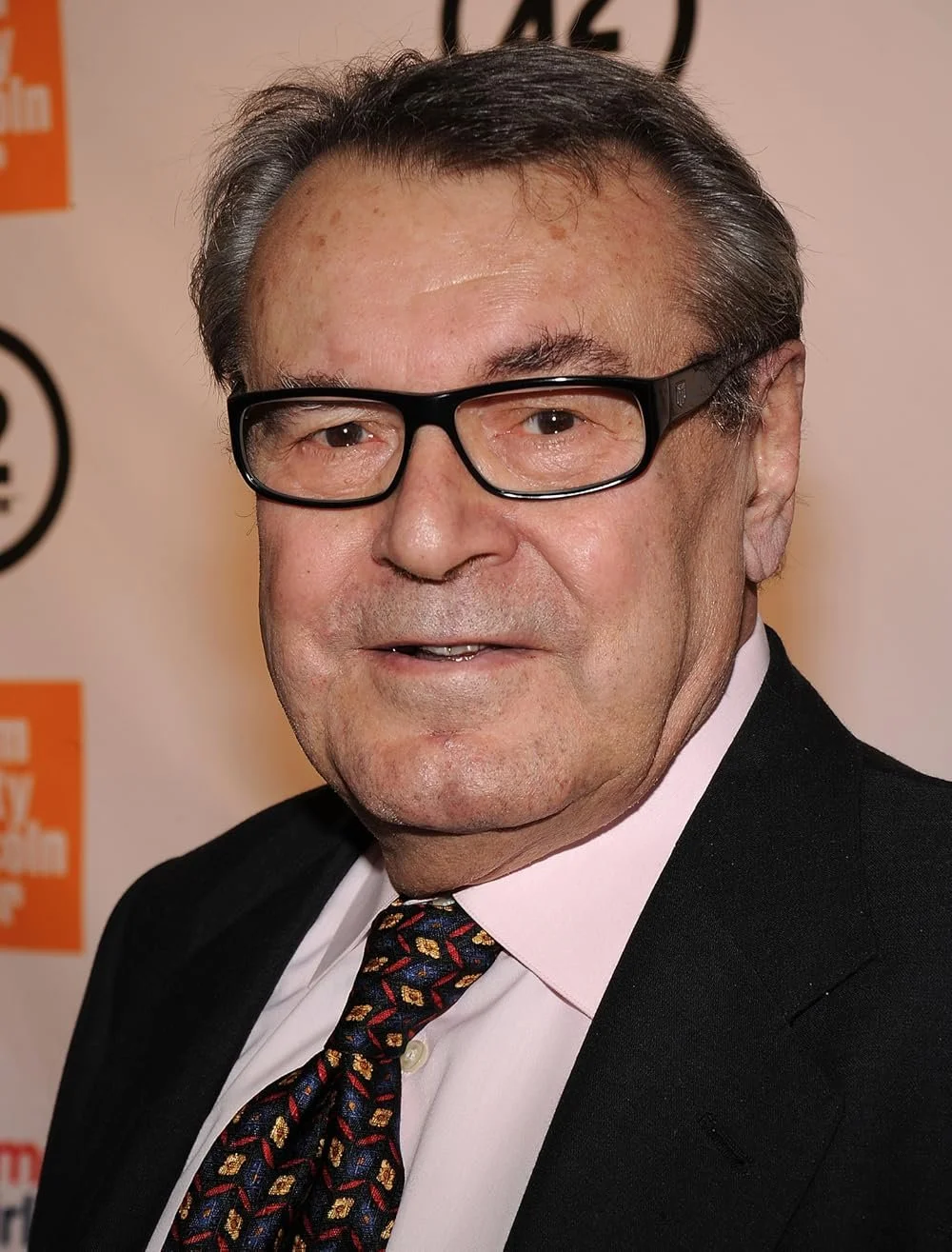
(Milos Forman)
JOE ESZTERHAS: My wife and I were at the Four Seasons hotel for an industry function. We had dinner and came out to a big crowd of industry people. We were waiting for our ride and this beautiful chrome black pick-up truck pulled up. It was Steven Spielberg and his wife Kate Capshaw. Steven jumps out of the truck, waves his arms, and said, “I should have done Sacred Cows. I’ll call you.” He called the next day and said, “Listen, I’ve thought about it. I really should have done Sacred Cows, but what I think we should do is, I’ll produce it and I’ll get Tony Bill to direct it.” I never met Tony, but I liked his work.
As with all of the other directors, Tony Bill, who also won an Oscar for producing The Sting, ultimately did not direct the script. In an email, Tony said he did not remember much detail about Sacred Cows, but did remember that he liked it.
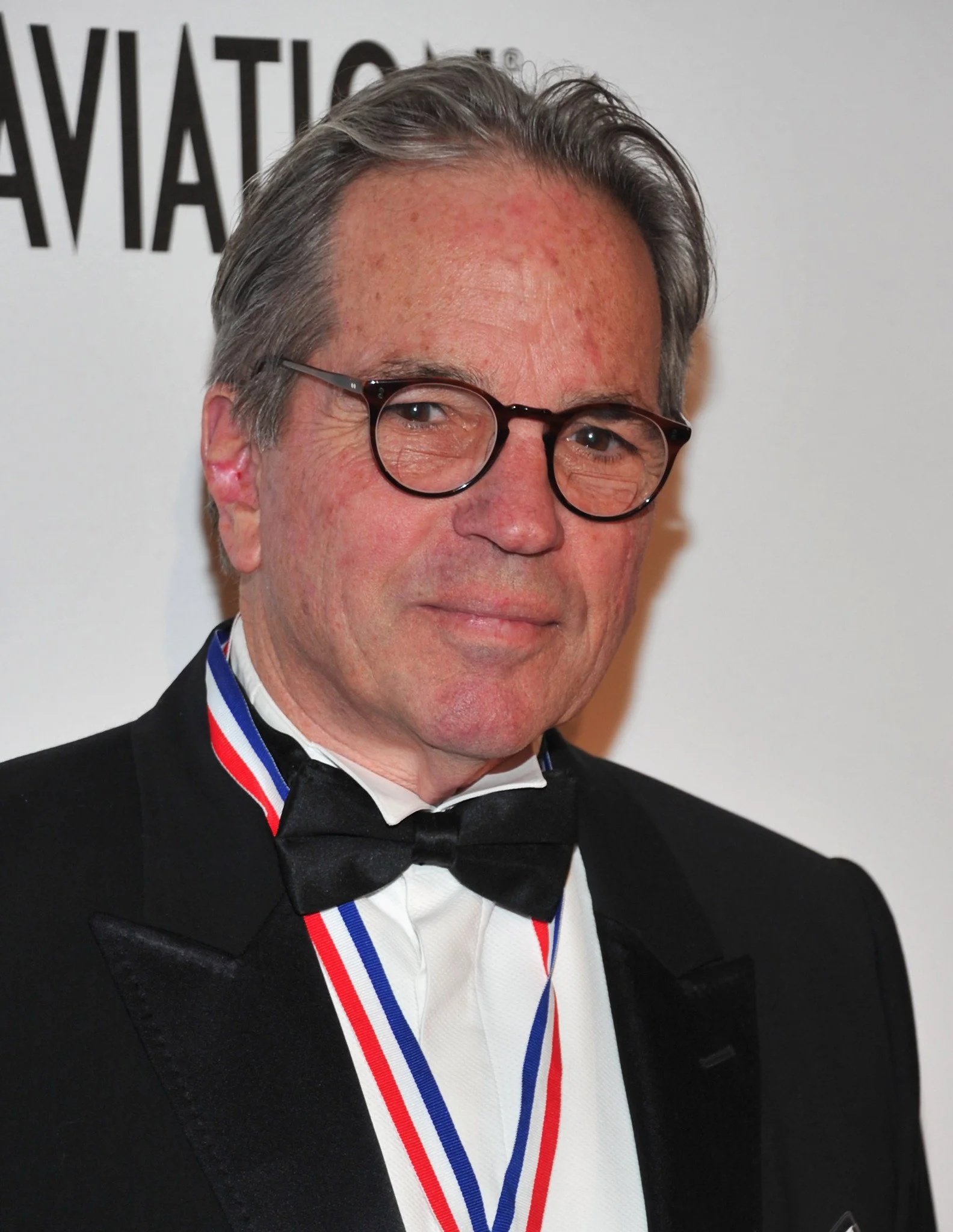
(Tony Bill)
JOE ESZTERHAS: Steven called me back and said, “I’ll tell you what we’ll do. You’ll direct it and I’ll produce it.” I never wanted to direct. I said I’ve been around a lot of great directors. I don’t have that talent. I’ve just never been inspired that way and I don’t have it. All I want to do is write. Steven said, “I’ll be on the set with you every day and I’ll help you direct it.” And then I got really honest with him and said, “I’m with this woman. She and I have barely been living together. I’m in love with her. I know what’s it’s like to direct something. I don’t want to be on the set every day. I want to be with her.” Steven said. “Okay, I get it,” and that was it.
That was Joe’s soon to be wife, Naomi, and they have since been married for 32 years.
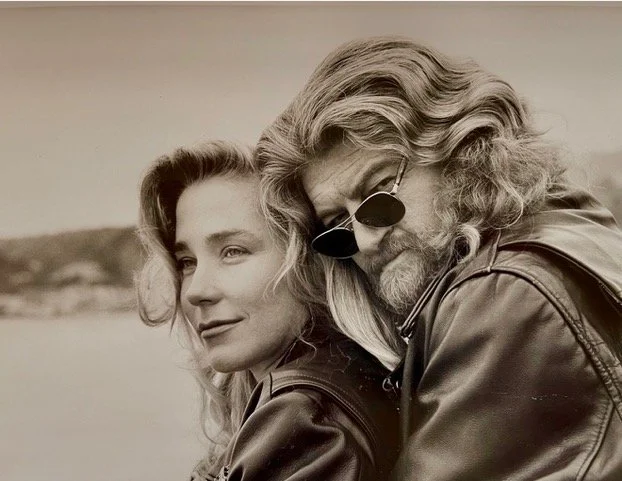
(Joe and Naomi Eszterhas)
JOE ESZTERHAS: Kubrick, Tony Bill, Blake Edwards, and all these guys. The funniest script they ever read. There seems to be unanimous agreement on that. It’s the kind of great stuff that should be on a tombstone. It was a parade of directors. In terms of the eighteen films that I’ve written, none of them had so many directors lining up, flying up, and doing everything they could to direct this, which I thought was really interesting.
More than thirty years later, who would be the right fit to direct Sacred Cows if it was made today?
JOHN BARKER: The obvious pick is Armando Iannucci. He's got that talent for smart, funny political satire, and it fits this material. Alexander Payne or Spike Jonze would both be great for it too, particularly for handling the tonal swings between farce and the more tender moments. And I'd love to see what David Fincher would do with it.
KRISTEN LOPEZ: You definitely need someone that knows humor to balance it out because people are going to see a Joe Eszterhas script and assume they’re getting Jade. It would definitely require a director that is known more for politics and/or humor to make people understand what it is. I could see the South Park guys (Trey Parker and Matt Stone) maybe doing it if they were interested. Judd Apatow. Paul Thomas Anderson. Armando Iannucci.
The list could go on and on: The Farrelly Brothers, Bobcat Goldthwait, Amy Heckerling, Seth Rogen and Evan Goldberg, Taika Waititi, Adam McKay, Todd Phillips, Jay Roach, Jay Chandrasekhar, Rian Johnson, Jason Reitman, Seth MacFarlane, Kevin Smith, and so many more.
AND STARRING…
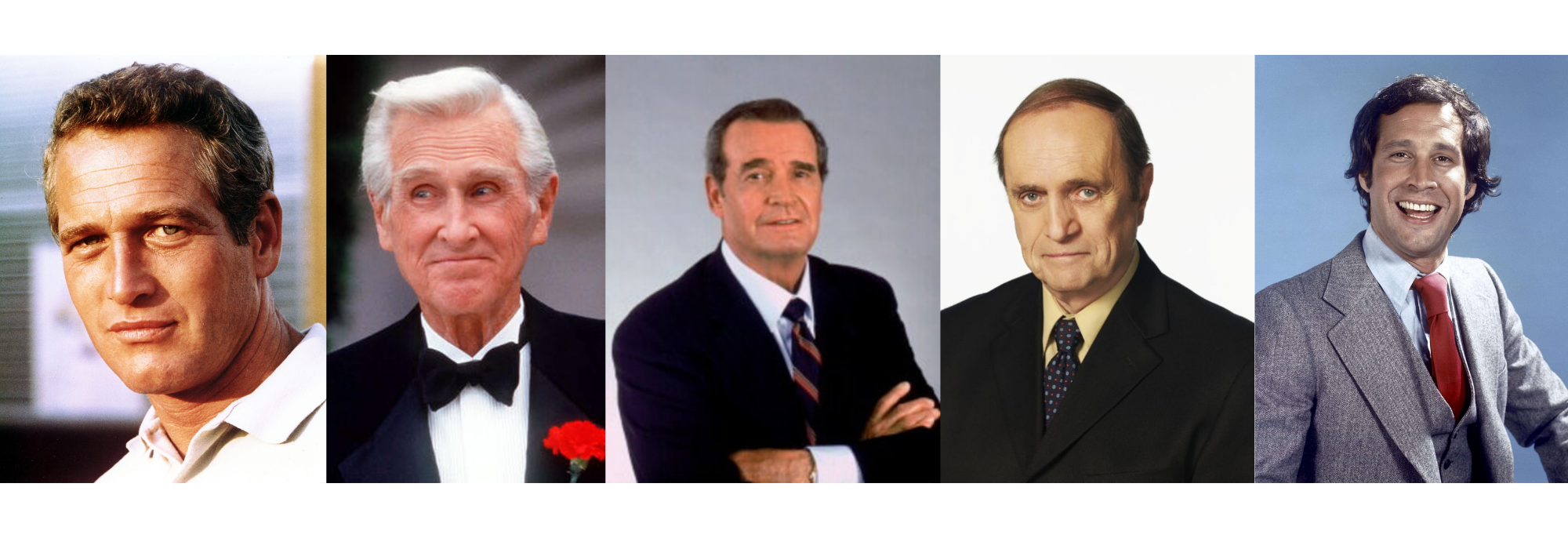
With so many directors circling the project in the 90’s, it was only natural that specific actors came up in those conversations. Those rumored names included: Paul Newman, Lloyd Bridges, James Garner, Bob Newhart, and Chevy Chase.
Many of those actors were mentioned for a certain director. For example: Steven Spielberg with Paul Newman, Jim Abrahams with Lloyd Bridges, Betty Thomas with Chevy Chase, Robert Mulligan with either James Garner or Bob Newhart.
KRISTEN LOPEZ: Paul Newman would have been really interesting. He was able to keep the seriousness but balance that with this kind of cocky humor I think he was known for. Who wouldn’t have wanted to see Hud playing this character?
MICHAEL LEHMANN: The characters are well-written. These are good roles for people. Paul Newman was a great idea. You want somebody who had that kind of weight and ability to play the president and be convincing, someone who could be presidential in that regard. A Paul Newman or Robert Redford, that kind of movie star would have made sense and there were just a few of them at the time.
KRISTEN LOPEZ: Bob Newhart’s an interesting one. He can work the comedy but he also looks like most of the presidents over anyone else. Most of the presidential nominees we’ve had for the most part are not attractive hot guys. Chevy Chase already has kind of this air of dickishness to him that would have worked.
Who would be comparable actors today that would be a good fit for portraying President Sam Parr?
MICHAEL SMERCONISH: Who do I see in this gutsy role? Jeff Bridges! Midwestern look, was convincing in The Contender. Or Kevin Costner, an obvious choice. Given the wacky subject matter, Woody Harrelson. Or Matthew McConaughey.
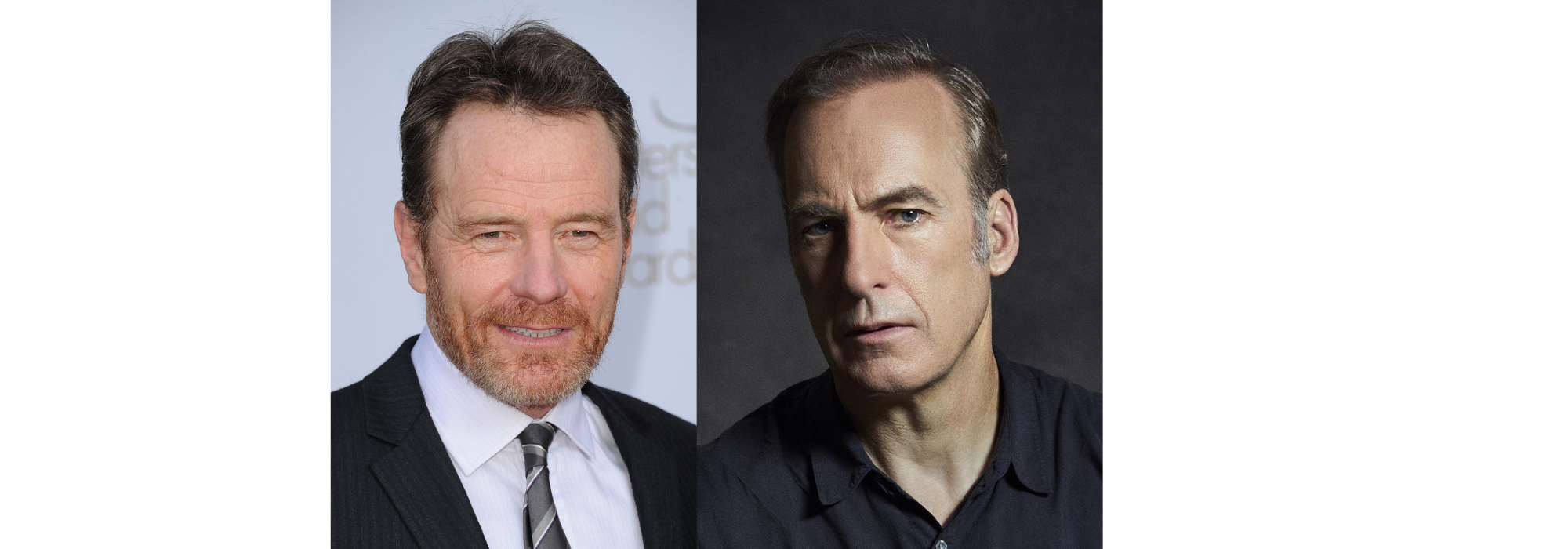
JOHN BARKER: Bryan Cranston is great at treading the line between comedy and drama, so he'd work. I'll watch Jeff Bridges in anything, so put him on the list too. And Bill Pullman could reprise his presidential role from Independence Day and complete the trilogy!
One could take the Bryan Cranston casting one step further and cast Bob Odenkirk as Vice President Pete Graham. Who wouldn’t want to see them re-team on this?
KRISTEN LOPEZ: Jon Hamm always has presidential elder statesmen vibes. Jeff Bridges could still be very presidential. That would be a fun kind of full circle moment, get him back with Eszterhas. And who doesn’t want to see Leonardo DiCaprio in a Joe Eszterhas film? And do you go with someone controversial that could turn off modern audiences or do you go with someone that’s going to make the movie a lot of money?
JOE ESZTERHAS: I’ve never been good at casting. It’s usually a choice I leave for the director. The only time I really fought for an actor, and I lost that fight, was for the George Dzunda character in Basic Instinct. He ended up playing it wonderfully, but I made a big fight to put Willie Nelson in that part. Willie and I had smoked a joint together and it was such a memorable joint that I thought he would be great for the part, but George did a terrific job.
As Joe said, he typically does not comment on casting decisions, but he did wish to see Jane Fonda play First Lady Emily Parr in Sacred Cows. Jane was originally attached to star in both Jagged Edge and Music Box and they have been longtime friends.
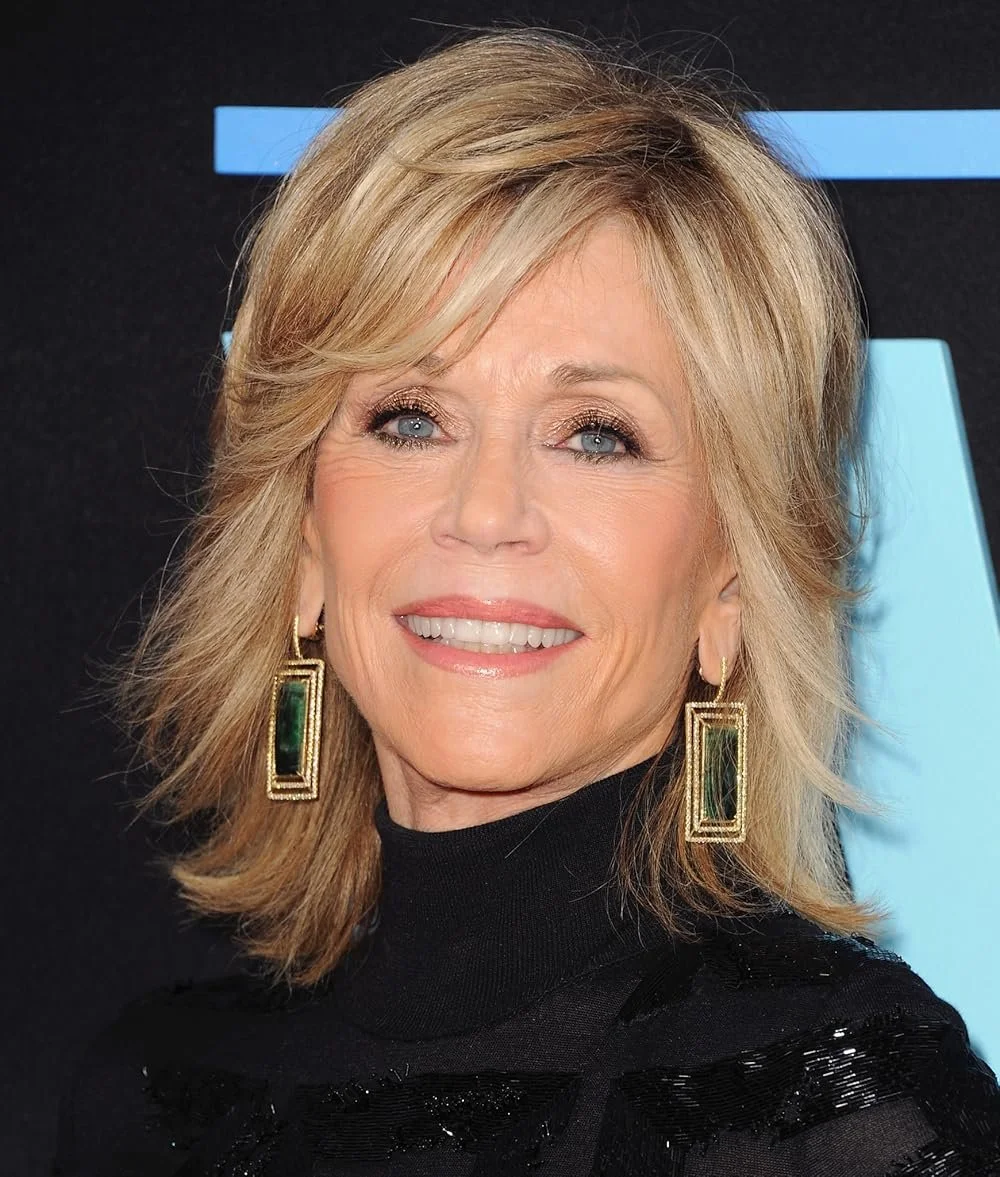
(Jane Fonda)
And just like the list of directors, there’s lots of additional actors that could take a chomp at this Oscar bait of a role for President Sam Parr: Hugh Jackman, Christopher McDonald, Tim Robbins, Kevin Kline, Kelsey Grammer, James Woods, Dennis Quaid, Jeff Daniels, George Clooney, Johnny Depp, Alec Baldwin, Chris Cooper, Bradley Whitford, William H. Macy, Jim Belushi, etc.
But there’s another casting choice to consider here, an actor who has already played the president in Robert Rodriguez’s Machete Kills, whose father, Martin Sheen, portrayed the president in The West Wing… and that actor would be Charlie Sheen.
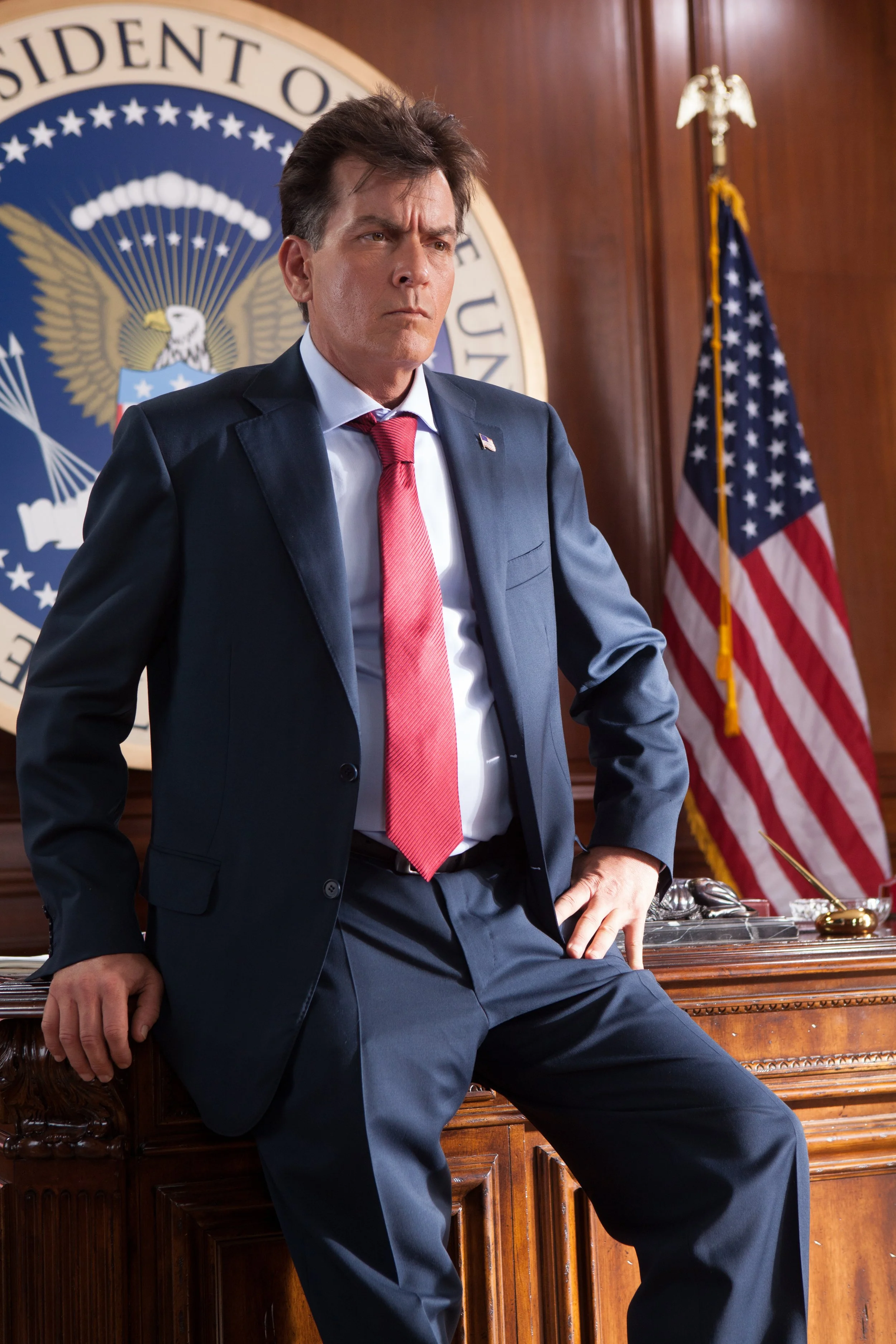
(Charlie Sheen)
HOLLYWOOD BEEF
Now it’s time to address the cow in the room…
Right before he wrote Sacred Cows, Joe was engaged in a very public feud with CAA super agent, Michael Ovitz.
At the start of his career, Joe was represented by ICM agent Guy McElwaine.
JOE ESZTERHAS: I met Guy in the late 80’s. One of the reasons I think we got really close is because we had a lot of fun talking about the old-time Cleveland Indians. Guy was a terrific baseball player. He was a pitcher as well. He never made it to spring training because he got polio which put him in a wheelchair. He got a job at MGM studios in the mail room and wheeled around to take things to different offices. That’s how he met Frank Sinatra and became lifelong friends with him. He even got a gold ring with the family emblem from Sinatra. Guy got a terrific Hollywood education and eventually became an agent.
When Guy left ICM to run a movie studio, Joe joined CAA. Years later, when Guy returned to ICM, Joe wanted to go back to his longtime friend. When Joe informed CAA Chairman and co-founder Michael Ovitz that he was leaving CAA for Guy and ICM, Ovitz allegedly threatened to ruin his career and allegedly made threats that Joe implied as physical threats. Joe remained loyal to Guy, returned to ICM, and responded with a letter to Ovitz detailing all of the alleged threats. It was heavily circulated and published in the industry. There’s no reason to go into all the details here. If you are curious, Joe’s letter to Ovitz is easy to find online. Better yet, read the dedicated chapter about it in Joe’s book, Hollywood Animal.
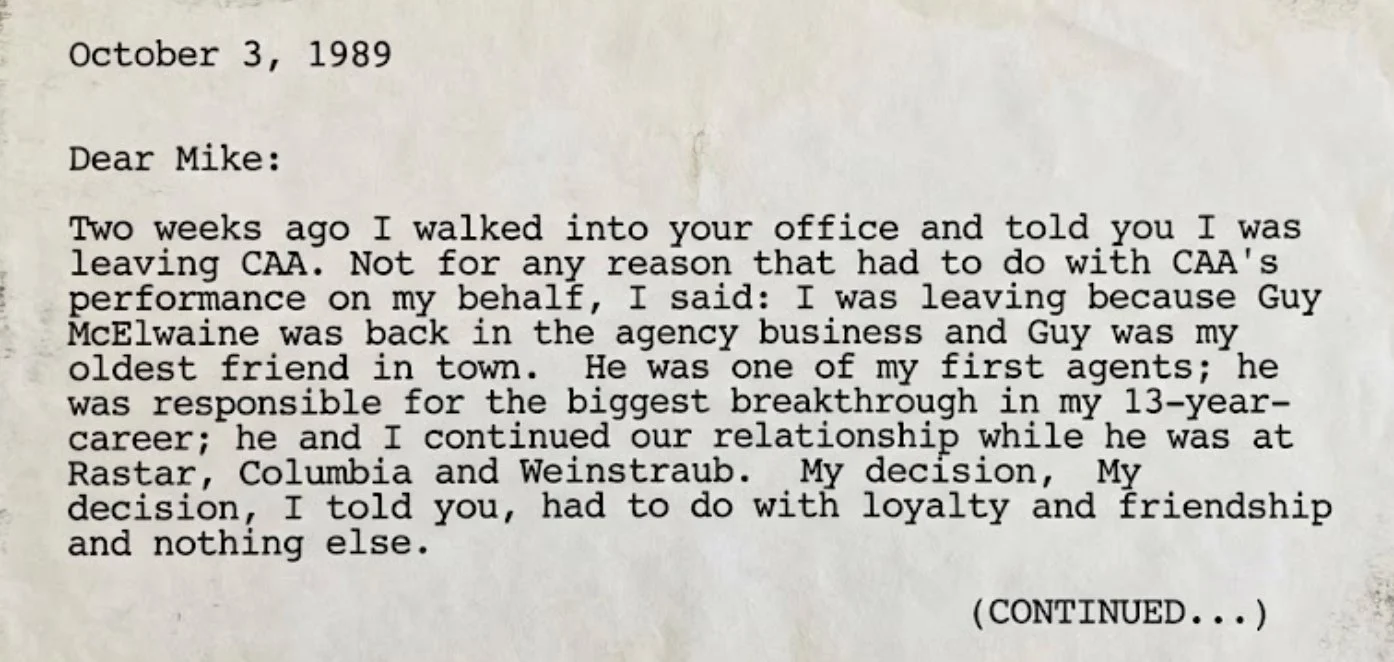
Shortly after his feud with Ovitz… Joe wrote Sacred Cows.
Coincidence?
JOE ESZTERHAS: I teased at times with people and said that obviously Michael Ovitz had a serious subconscious effect on the script and specifically what the most controversial scene was, but I wouldn’t describe, and I won’t describe either, exactly what I meant by that.
You can read into this however you want. It’s open for interpretation. Is the plot of Sacred Cows a metaphor for his feud with Ovitz? Is Ovitz President Parr? Is Ovitz the cow? We’ll never know. And Joe won’t tell. That’s strictly between Joe and his typewriter.
But the clues are all there.
The script has blackmail, extortion, and threats. President Parr is an alcoholic and womanizer. Parr strangely defends his bad behavior by saying he never lies and truth and honesty is a major theme throughout the script.
Truth and honesty also happens to be a foundational philosophy that Ovitz implemented into CAA and his own life.
And that last shot of President Parr and the cow that sashays away, is that the reconciliation of it all with both Eszterhas and Ovitz going their separate ways? A catharsis of sorts? Just speculating here. Again, Eszterhas won’t comment.
In his memoir, Ovitz said, “It’s absolutely true that I didn’t take losing agents or clients well, and that as a last resort I would threaten to scorch the earth, trying to make the wayward realize both how great a friend we were and how fearsome an enemy.”
But Ovitz denied Joe’s account. He said his threats were taken out of context because it was “scripted” for Joe to present to Guy so that he didn’t seem disloyal. Joe disputes this and stands by his version of their confrontation.
Others have recounted similar stories with Ovitz.
JOE ESZTERHAS: In his memoir, producer Bernie Brillstein said that Ovitz used the same words to him that he did to me.
On the podcast The Knowledge Project, Ovitz called confrontation a tool in the toolkit, and said he believes in monopolies and eliminating competition. He also said he doesn’t handle betrayal well. In another podcast, Knowledge is Power, Ovitz openly admits he was controversial with his “win at all costs” attitude.
MICHAEL LEHMANN: As a young filmmaker probably represented by that agency at that point, I did not like the way they carried about their business in that regard. I think it was completely right of Joe to expose that, to come out in public and say what his former agents were doing in regards to leaving them.
So was Sacred Cows inspired by Michael Ovitz?
KRISTEN LOPEZ: It’s definitely possible. Some of these scripts are always really great time capsules of what’s going on at that time. Eszterhas was making over a million dollars a script and was a too big to fail screenwriter. I could definitely see this as a story of a guy who is trying to be knocked down by the powers that be of Hollywood and coming out the other side. That’s definitely something interesting that adds some very cool context if he was inspired by that.
There’s no question that his public letter to Ovitz affected the power CAA wielded over the industry at the time. At the end of the day, Ovitz never expected Eszterhas to fight back or go public. I’m sure Ovitz would agree with that.
It’s also important to note that in 1992, within a couple of years of their feud, Joe set a record in Hollywood with his $3 million dollar script sale for Basic Instinct, which Guy McElwaine brokered. Joe would go on to even more multi-million dollar script sales throughout the 90’s.
A few years later, in 1995, Ovitz left CAA to become the president of The Walt Disney Company, which lasted a little over a year amid clashes with CEO Michael Eisner.
Currently, Michael Ovitz is a tech investor and co-founded a company that protects artists from AI intellectual property theft, so he’s still serving the entertainment industry, but in a different way. Joe Eszterhas still writes screenplays and recently sold a script for an updated Basic Instinct for $4 million dollars, also still serving the entertainment industry, and just as successful as he ever was.
While Ovitz has never apologized, Joe has said that he forgives him for the incident and that he has tried to not keep grudges.
JOE ESZTERHAS: I think he made a mistake, and an ugly one. It’s been way past history for me.
But legend has it, (maybe) their feud lives on in the script for Sacred Cows.
Guy McElwaine remained Joe’s agent until his passing on April 2, 2008, where Joe prayed with him bedside in the hours before. Joe spoke one of the eulogies at Guy’s funeral.
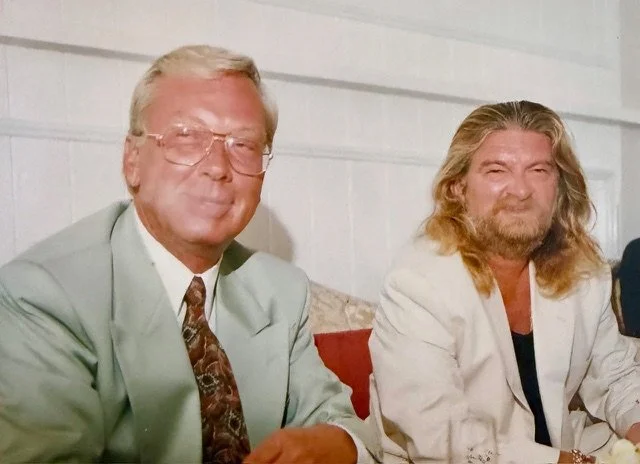
(Guy McElwaine and Joe)
JOE ESZTERHAS: He was sort of my big brother and my Rabbi in the business. I simply wouldn’t have had the career that I did without him. I truly loved the man. I still miss him.
TRUTH AND HONESTY
Regardless of your political leanings, when you read the ending of Sacred Cows (or hopefully someday see), there’s no denying that it represents what we all want from our leaders, and that is truth and honesty.
MICHAEL LEHMANN: It’s an honorable message, but I felt the premise deserved to get a little darker before it came around to such a sort of sweet, and in many ways simple message that, what we need and expect from our leaders is honesty. We can forgive our leaders for behavior that shows weakness, but we can’t forgive them for their dishonesty. I love this premise and idea and liked where it ended because it was emotionally affecting. You feel inspired.
If you are going to read just one scene from the script, read the ending HERE.
A sample line:
PRESIDENT SAM PARR
I've got nothing else to say to
you. It's out in the open now. You
know what I've done. When I came
into office, I told you I wasn't
going to lie to you. And now I know
one thing: when I go out, that's
still going to be true.
Will we ever hear a president say something like this? Probably not, but you never know. Making Sacred Cows would be a step in the right direction.
Near the end of the script, there’s a wonderful conversation between President Sam Parr and his wife, First Lady Emily Parr. She talks about “tar and feathers,” and it ends with this line:
EMILY
It might hurt but it’s just tar
and feathers. Wouldn’t it just…
eventually… wash off?
If you are hesitant to read Sacred Cows because of the subject matter, please reconsider. It truly is an amazing script that handles the controversy with a nuanced balance of humor and drama, while never crossing a line.
Joe was asked if Sacred Cows is the best script he’s ever written.
JOE ESZTERHAS: I can’t answer that. They feel like my children in different ways and that’s why I’ve had so many fights to protect them. I don’t want anyone messing with them. I couldn’t even guess at that. I’ll leave it up to other people to decide.
CAN SACRED COWS BE MADE NOW?
JOE ESZTERHAS: I would think so and I hope so. And I say that hesitantly and somewhat fearfully, because the political correctness has really swept Hollywood for many years, but I’m told that it has really loosened up on television. If true, it does have a better chance of being made now compared to then.
Since Michael Lehmann directed 1988’s cult-classic hit Heathers, he was asked: Which would have a better chance of being made today? Heathers or Sacred Cows?
MICHAEL LEHMANN: Sacred Cows would have a better chance of getting made today. The problem with Heathers now is that there’s been so much violence in high schools. It’s such a horrendous issue and the world has completely changed.
Lehmann has said that he would certainly still consider directing Sacred Cows today, but would have to address some issues (as well as making it darker like he said).
MICHAEL LEHMANN: You can’t really make this movie today the same way it was written, but there probably is a way to make it. The biggest problem is the whole issue of deep fakes. Back then, they said, “I’ve got the negative.” To prove the photo was real would be possible then. If you said you have a photo like that now, you certainly have to figure out a way to make that more modern because these things can be fake now. If I told CHAT GPT to make a photo of the president with a cow, it could probably come up with a good one. The idea of shocking images or proof, all those mechanisms would be different. The stakes have gotten so much higher, and with the foibles and misbehavior of leadership, we’ve been kind of deadened to that.
MICHAEL SMERCONISH: What didn’t exist when Joe wrote this is AI. The president today would not need to make an admission, he could just blame it on AI. We are already in an era where we can no longer just go to the tape or still image.
KRISTEN LOPEZ: Hollywood is littered with the scripts of things that never got made. It’s always really interesting to look at some of them because they’re always representatives of the era they were written in as well as the era in which they could have been made. In this instance, it’s really fascinating to look at its history and the time in which he was working on it and also have it be really relevant to today. That doesn’t happen with a lot of unmade projects. So it’s very cool that this one, weirdly enough, is even more important today than it probably would have been.
JOE ESZTERHAS: If someone would make it, there would be certain adjustments for time and details and all that, but the basic notion of it, I think is still there. I think the movie would be entertaining and I think people would enjoy it and have fun with it.
JOHN BARKER: In terms of audience reaction, I think it absolutely could. Once upon a time, audiences might have balked at the subject matter, but with all the craziness we've seen in politics over the last few years, this almost feels like standard fare. If anyone's going to do it, I'd say A24 if it's pitched as something artistically ambitious.
KRISTEN LOPEZ: Eszterhas coming back with a script that he wrote over thirty years ago and it’s a political satire. All of it would be odd. But I would have to go. I would have to go and see what that looks like, how it works in the grand scheme of things.
Is Hollywood finally ready to make Joe Eszterhas’ Sacred Cows?
Read the script and decide for yourself. You can download it at HERE. Enjoy!
POST-SCRIPT
FRANCHISES AND GENRES
When asked what franchises or IP they would like to see Joe write in…
KRISTEN LOPEZ: I feel like Eszterhas would thrive with a video game. Something flashy and quick paced like a Grand Theft Auto adaptation. I feel like that would be his sweet spot.
JOHN BARKER: The first thing that popped in my head was James Bond. Maybe a Bond spin-off with Ana deArmas’ character from No Time to Die. A spin-off built around her written by Eszterhas would be interesting.
KRISTEN LOPEZ: I would love a Joe Eszterhas horror franchise, but I don’t know what that would necessarily look like.
JOE ESZTERHAS: I’ve never been interested in franchises, but horror is a genre I might try. It’s the genre that appeals to me now and young people today have a terrific love of it.
Sounds like we could possibly see a horror script from Joe Eszterhas in the near future!
BASIC INSTINCT: JEZEBEL
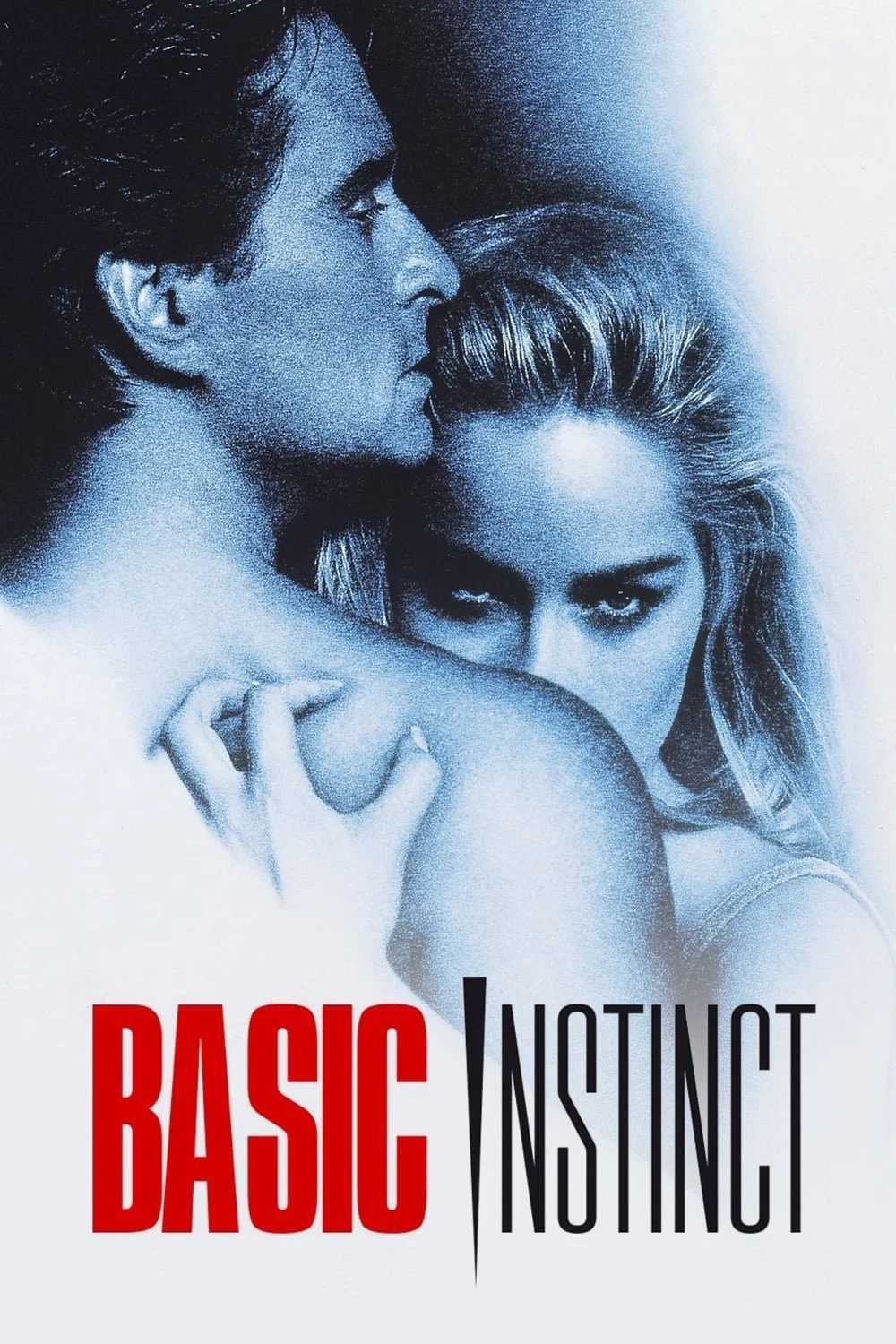
Joe shared some details about the new Basic Instinct script he just wrote that paid him 4 million dollars. While Amazon approached him, he’s been thinking about many of the things in the script for a long time.
It is called Basic Instinct: Jezebel. In previous interviews, Joe shared that the script is about the battle between good and evil, copycat killers, and contains supernatural elements.
In our interview, he shared that it takes place in a present-day gritty and edgy Los Angeles, not San Francisco. He said it is not a direct continuation of his original script, but a continuation in some way in terms of time spent. It is both a sequel and a reboot. It will completely ignore the events of 2006’s Basic Instinct 2, which he had nothing to do with and calls an “abomination of a so-called sequel” and “a piece of shit.”
He confirmed that his new script reveals what happened to Detective Nick Curran (Michael Douglas) in the years since the original, and that an ice pick makes an appearance.
He confirmed that Catherine Tramell is a character in the script. Not a young or de-aged Catherine in flashbacks, but at the age she would be now.
JOE ESZTERHAS: I hope very much that Sharon Stone will play Catherine Tramell. She is as beautiful now as she ever was.
He also added that Catherine Tramell has released more novels in the years since the original Basic Instinct and that she is the premiere thriller writer in the world.
JOE ESZTERHAS: Basic Instinct was suddenly streaming everywhere and was mentioned as one of the top five thrillers ever made. The critics suddenly started lining up for it. Through the years, I’ve gone to all these revivals and screenwriting seminars where they play Basic Instinct. I was astounded by how much people loved it. They were all sold out. They knew the dialogue and some cheered when they heard some of the famous lines, and it got standing ovations, so I’ve loved how much they enjoyed it. In terms of the sequel, I wanted the big lesson I’ve learned from all of this is that they have to enjoy it and have fun with it, and I think they will.
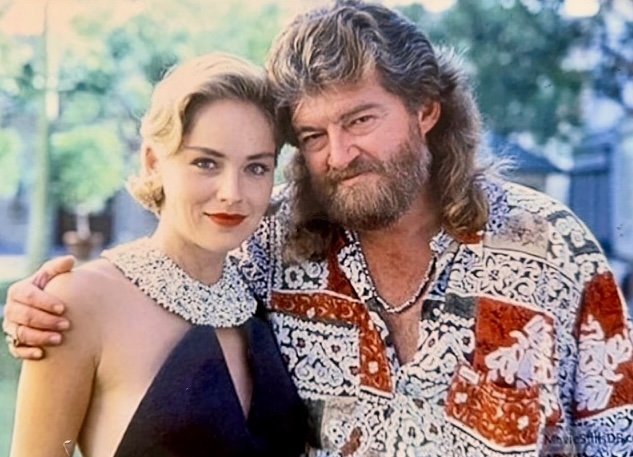
(Sharon Stone and Joe)
FLASHDANCE 2
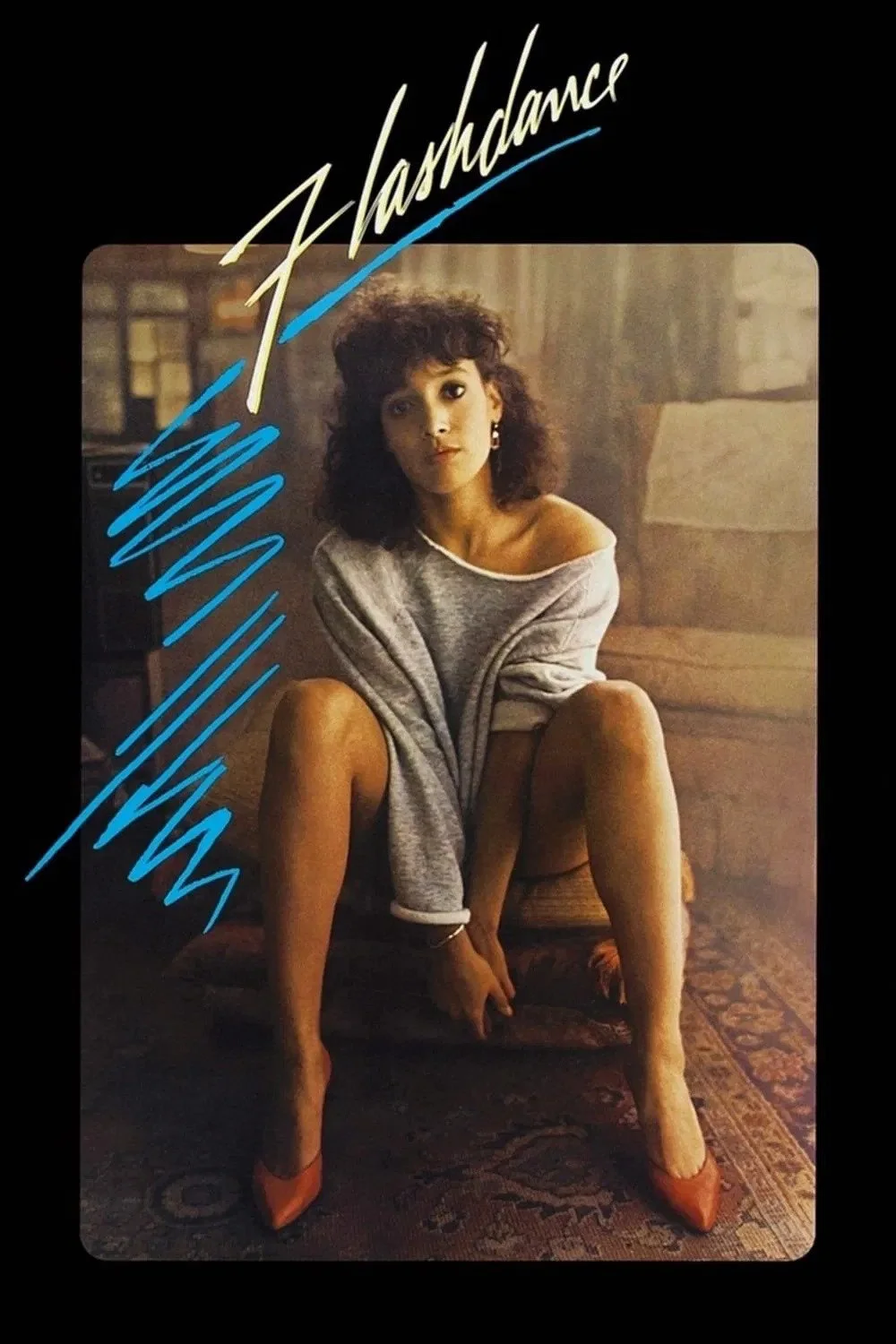
Joe also revealed that, in the eighties, he wrote a script for Flashdance 2 that would have seen Alex (Jennifer Beals) continue her professional dancing career in London. Paramount financed a research trip to London for it. He’s sure that Adrian Lyne would have been involved, but Don Simpson was not because he was sick at the time. Jennifer Beals wanted more money than they were willing to give her. They wouldn’t compromise, so the whole thing went down over a salary issue. Even though she became a star, he thinks it was a big mistake on her part and the studios, and we never got to see his script for Flashdance 2 brought to the big screen.
SCREENWRITING ADVICE FROM THE LEGEND HIMSELF
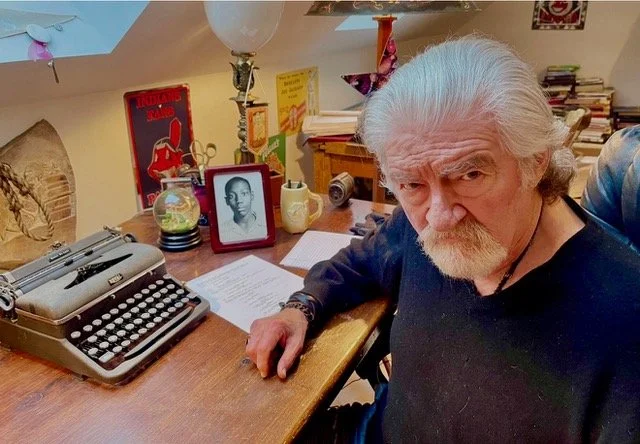
(Joe still writes his scripts on a manual Olivetti typewriter.)
“I would dry up without it. All my creative juices are tied to the Olivetti letters.”
In 2001, Joe was diagnosed with life-threatening throat cancer. He had 80% of his larynx removed. He became cancer-free in 2004. Joe then quit cigarettes, drugs, and alcohol. As mentioned earlier, Joe has been happily married to his wife, Naomi Eszterhas, for thirty-two years. At age 67, Naomi has written her first novel, Darkchurch. It is a Gothic thriller trilogy set in Transylvania about vampires. It will be published in Spring of 2027. Joe and Naomi also have four sons.
Listening to music while writing is important to most writers. Joe is no exception. He has long said that he wrote the script for the original Basic Instinct while listening exclusively to The Rolling Stones. When asked what he’s listening to now, in addition to a lot of the Stones, he spoke of his love for old rock and roll, Bob Dylan, and 80’s and 90’s rock. He also spoke of Leonard Cohen, Little Richard, Chuck Berry (who he once interviewed), Muddy Waters, Howlin’ Wolf, and Robert Johnson. He said that blues always spoke a special language to him.
JOE ESZTERHAS:
I’ve had 18 of my scripts filmed, but I’ve written 32 or 33 of them through the years that haven’t been filmed for a multiplicity of reasons. Sometimes the ones that have been filmed looked like they were never going to sell but did. So things come out of the woodwork and do get made. The main thrust of what I say to young screenwriters is don’t let anything stop you. You never know what is going to happen. Keep writing and keep moving and don’t allow yourself to get discouraged because you can’t sell stuff.
My police reporting experience was invaluable in terms of writing anything about crime. What I saw on an everyday existential basis was where I learned about violence and crime. I’d seen some of that in the refugee camps and in the alleys growing up, but this was a masterclass for many of my scripts and characters.
I think what is really important with the screenwriter is to follow your own vision. If it’s an original script and comes out of your experience and your head and your gut, then the vision is yours. Fight for it. Don’t sell yourself out. That’s going to hurt your life and your career. It means fighting and sometimes it’s difficult but I think it’s really important.
Hemingway once had this wonderful line where he said, “Integrity for a writer is like virginity for a woman. Once you lose it, there it goes and you never get it back.” I’ve conducted myself that way.
I’ve written mostly originals through the years. I’ve written them as specs instead of pitching it to try to sell it. I just write the whole thing and see if it sells.
The only screenwriter I’ve ever admired is Paddy Chayefsky (Altered States, Marty, The Hospital, Network). He fought like a wildcat for his stuff. He once said, “If your screenplay is a pizza that you baked, that you put together with your own ingredients, just write the whole thing and present it to them as a complete pizza. If you don’t, they’ll piss in it. They’ll be all over your pizza.”
Your agents will encourage you to have that pitch meeting and writers are famous for doing pitches. There’s been a lot of things written about how to do the best pitch. Don’t pitch it. Don’t go into a meeting where you have to tell them what it’s going to be about, because when you leave, you’re going to have a big spot on your head. Take the effort to write the whole thing and then present it to them. I don’t try to convince them to give me a deal before I start writing. The big risk is that you put all this work into it and you don’t get paid for anything. They don’t buy it. That’s happened too. It happened to me a dozen or so times. Don’t give up on writing because you’re going to win some and lose some. When you win, it’s a big payoff and makes up for all the times that it didn’t sell. But don’t ruin yourself with creative laziness by sitting around talking about what it is you’re going to write.
Irwin Winkler was the best producer I ever worked with. He told me to always remember that it’s only a movie. It’s good advice to keep in mind, especially when your heart is broken over something.
If you write an original script for someone and they want to go in a different direction, say “Thank you very much. I’m not interested in doing that,” even though they might be very pissed. Don’t be a party to it because in some ways, you’re complicit in killing your own soul. Do everything you can to preserve your own vision.
I have a rough idea in my head of where the script goes and where it winds up. I have the main characters pretty much in mind and I let them do what they want to do. Sleeping is a serious part of the creative process with me because I wake up sometimes with dialogue in my head. I always have a little notebook on the side of the bed and I write it down.
As a younger man, I’d write at night with lots of coffee and cognac on the side. Now, there’s no longer booze or drugs on the table. I usually write in the mornings when I get up and write straight through lunch. Occasionally, in the afternoon, I’ll go back and review what I wrote that morning.
ON CELL PHONES AND SOCIAL MEDIA:
In some ways communication has changed permanently in my mind. If you’re sitting around a dinner table, instead of talking, it’s very common to have one person show something on their phone to another person.
I think it’s hopeless to change that pattern because they’re so devoted to the phone and what comes out of the phone. It’s such a central part of their lives that I think it’s just unfortunately a permanent change. It goes hand in hand with not reading either. Without the phone in their hand, I don’t know how they communicate anymore. Things aren’t getting better in that sense, especially with the coming of AI, because every time there’s some video that everyone’s excited about, there’s discussion about if it’s AI or not. I hate to sound like an old fogey, but I think we’re stuck with it. It’s a totally different world than it used to be.
People like to watch movies communally while they talk. Eight or ten of them sit around with a screen that’s half the size of a movie screen at this point and talk all the way through with their opinions and laugh and all that. The notion of going into a theater and shutting up because they don’t want to disturb others, that’s pretty much out the window.
The best thing you can do is read and read fiction. Get in the habit of forming and putting together stories in your own images in your own head. I absolutely believe that’s the most important thing. If you don’t, you’re not going to develop an individual voice that’s yours. No matter how much you use the internet, don’t stop reading books and don’t stop the whole notion of creating scenes in your head from what goes in through your eyes.
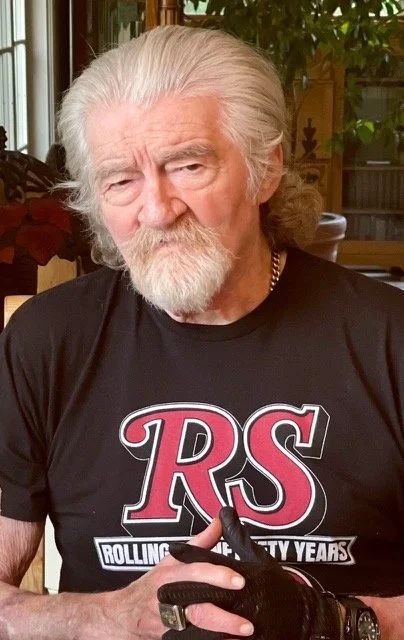
Thank you, Joe!
Make sure to check out Joe’s books below:
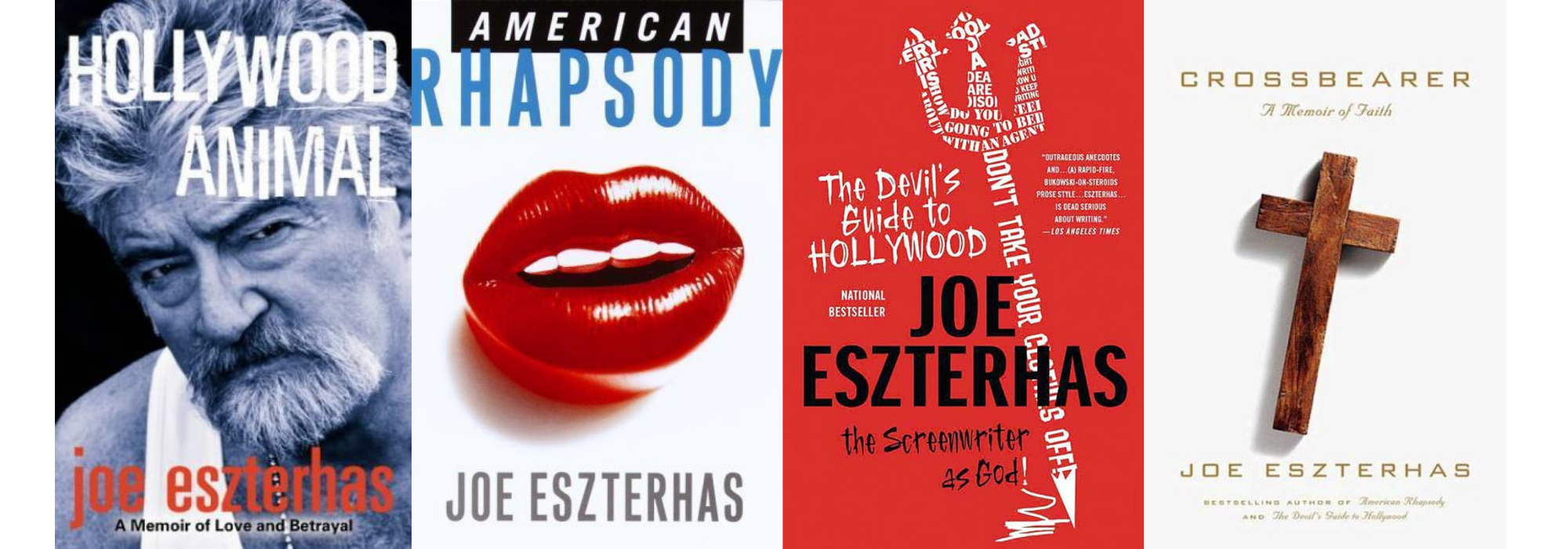
HOLLYWOOD ANIMAL: https://www.amazon.com/Hollywood-Animal-Joe-Eszterhas/dp/0375718958/
AMERICAN RHAPSODY: https://www.amazon.com/American-Rhapsody-Joe-Eszterhas/dp/0375725547/
THE DEVIL’S GUIDE TO HOLLYWOOD: https://www.amazon.com/Devils-Guide-Hollywood-Screenwriter-God/dp/0312373848/
CROSSBEARER: A MEMOIR OF FAITH: https://www.amazon.com/Crossbearer-Memoir-Faith-Joe-Eszterhas/dp/0312587589/
CREDITS
Article written by ERIC MOYER - Co-Founder of The Stunt List, screenwriter, director, husband, dad. https://www.officialstuntlist.com/eric-moyer.
MIKE LUCKOVICH: 2x Pullitzer Prize winner and Political Cartoonist for the Atlanta Journal-Constitution - X: https://x.com/mluckovichajc - Facebook: https://www.facebook.com/mikeluckovichajc
Michael Smerconish is a Sirius XM and CNN host. He can be found at www.smerconish.com.
MICHAEL LEHMANN: Director of Heathers, Airheads, and Because I Said So, as well as episodes of Dexter and True Blood. He can be found at https://x.com/docstrangelove
JOSH MILLER: Co-writer of Violent Night and Sonic the Hedgehog and is the co-host of the podcast Best Movies Never made which you can listen to at: Apple Podcasts: https://podcasts.apple.com/us/podcast/best-movies-never-made/id1450737048 and Spotify: https://open.spotify.com/show/7wFqsEi26hRTvH4DWjjk6R
Best Movies Never Made: https://www.instagram.com/bestmoviesnevermade/
Bluesky: @joshmillerlite.bsky.social
JAMIE NASH: Screenwriter and author of Save the Cat! Writes TV and host of the Writers/Blockbusters podcast. He can be found at www.jamienash.net.
JOHN BARKER: Film critic and podcaster at www.alltherightmovies.com
KRISTEN LOPEZ: Editor-in-Chief for https://thefilmmaven.com and can also be found at www.kristenklopez.com
LUKE BARNETT: Actor/Filmmaker behind the viral shorts, The Crossing Over Express and Ovation. He can be found at https://x.com/LukeBarnett.
SIMON BREW: UK film critic and podcaster at www.filmstories.co.uk
Other articles, podcasts, and books referenced:
May 30, 1993 - The New York Times - Maureen Dowd
March 16, 1998 - Time Magazine - Richard Lacayo
July 22, 2015 - Go Into the Story blog - Scott Myers
November 5, 2016 - Hollywood in Toto - Zachary Leeman
September 25, 2018 - Book - Who is Michael Ovitz?
January 9, 2024 - Podcast - Knowledge is Power
February 3, 2026 - Podcast - The Knowledge Project